
Why your baseboard heat isn't working in Oklahoma
Baseboard heat runs on hot water, and when it stops putting out heat the cause is almost always in the boiler or in getting that hot water to move. Air trapped in the lines keeps the water from circulating, so some rooms stay cold while others heat fine. A failed circulator pump does the same thing from a different cause: the boiler fires but nothing pushes the water through the baseboard. Low water pressure in the system, a bad zone valve, or a thermostat that isn't calling for heat the way it should can all leave a baseboard cold while the boiler itself seems to be working. Since most homes in Oklahoma heat with gas, a boiler that won't fire at all often points to the gas valve or the igniter rather than anything electrical. Catching which of these it is now, before a hard freeze, keeps a small fix from turning into a cold house and a bigger repair.
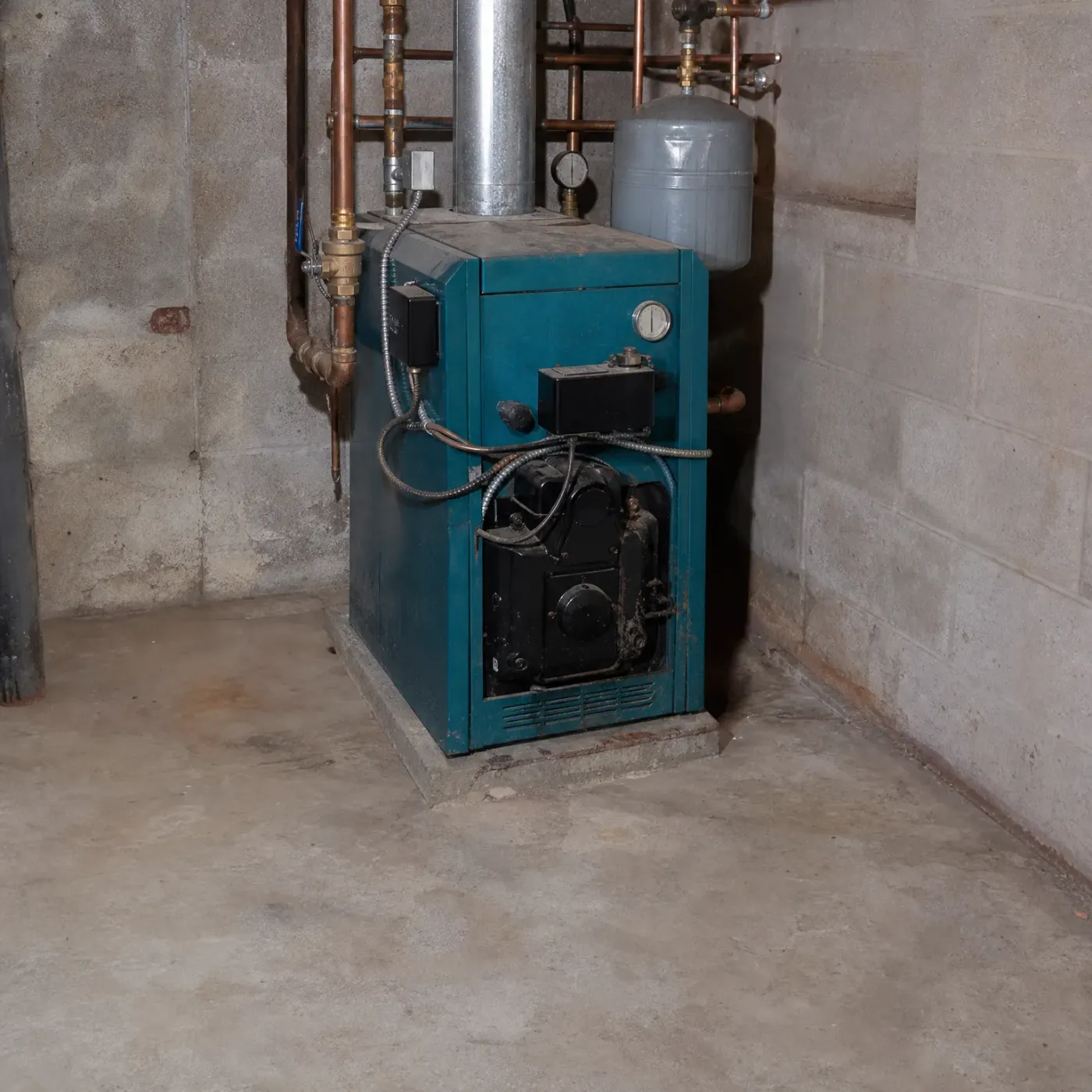
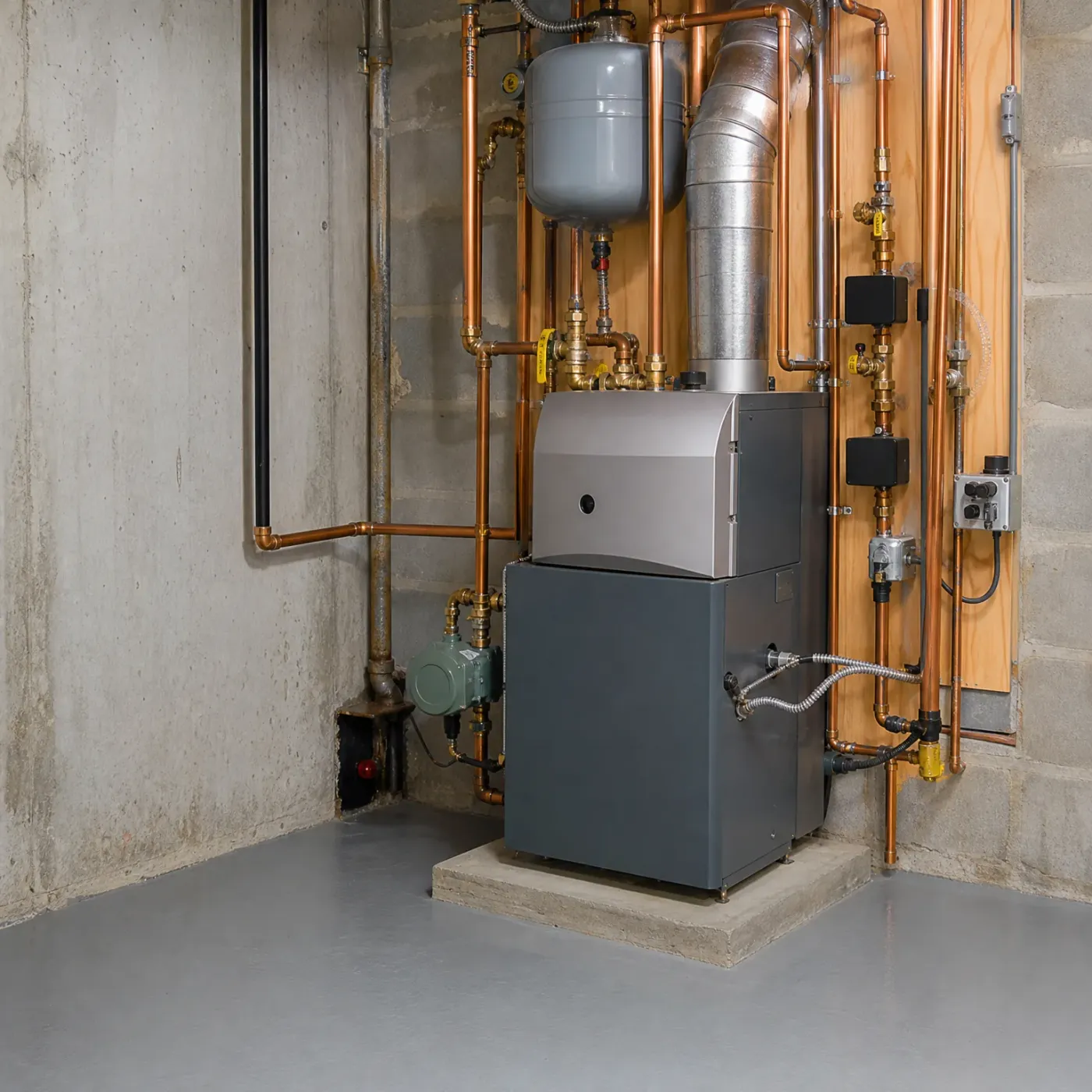
The boiler heats the water, but the circulator pump is what actually moves it through the baseboard loop. When that pump fails, the burner can still fire right on schedule and the water just sits there, going nowhere. Even when it does move, the heat only reaches the room through the fins along each baseboard unit. Dust buildup or a bent fin blocks that transfer, so the pipe runs hot while the room stays cool. Getting water moving in the first place depends on the thermostat sending power through a relay to a zone valve or circulator, and a worn relay can leave the boiler sitting idle while the thermostat shows a normal call for heat. The water also has to come back from the loop above a certain temperature, something controlled by the aquastat or a mixing valve, and if that setting drifts, the fins never get warm enough to heat the room. If your system runs multiple zones, a single stuck valve can cut heat to one room or floor while the rest of the house stays warm. And if pressure in the loop drops too low, a safety switch shuts the whole boiler down before anything else goes wrong.
How Hot Water Reaches Your Baseboards
- A circulator pump pushes hot water from the boiler through the baseboard loop, and if it fails or seizes, water stops moving even though the boiler fires fine.
- Each baseboard unit has fins that transfer heat off the pipe into the room, and fins clogged with dust or bent flat cut heat output without any leak at all.
- A thermostat calling for heat sends power to a zone valve or circulator relay, so a bad relay can leave the boiler idle while the thermostat reads normal.
- Boiler water needs to stay above a set return temperature, and if a mixing valve or aquastat is off, the water never gets hot enough to warm the fins.
- Many systems split into separate zones, each with its own valve or circulator, so one stuck zone valve can leave a single room or floor cold.
- Low water pressure in a closed loop system trips a safety switch that shuts the boiler down before it damages itself.
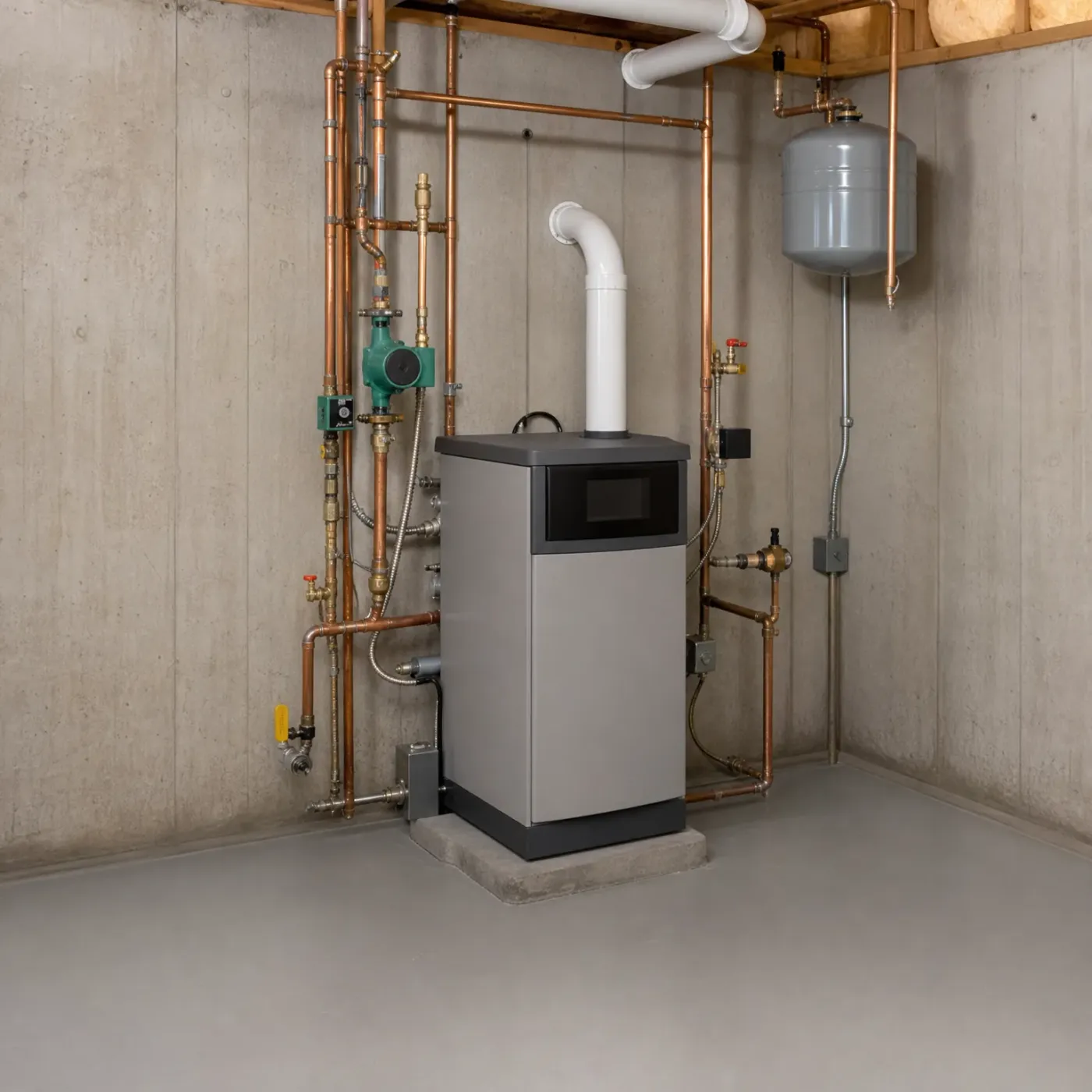
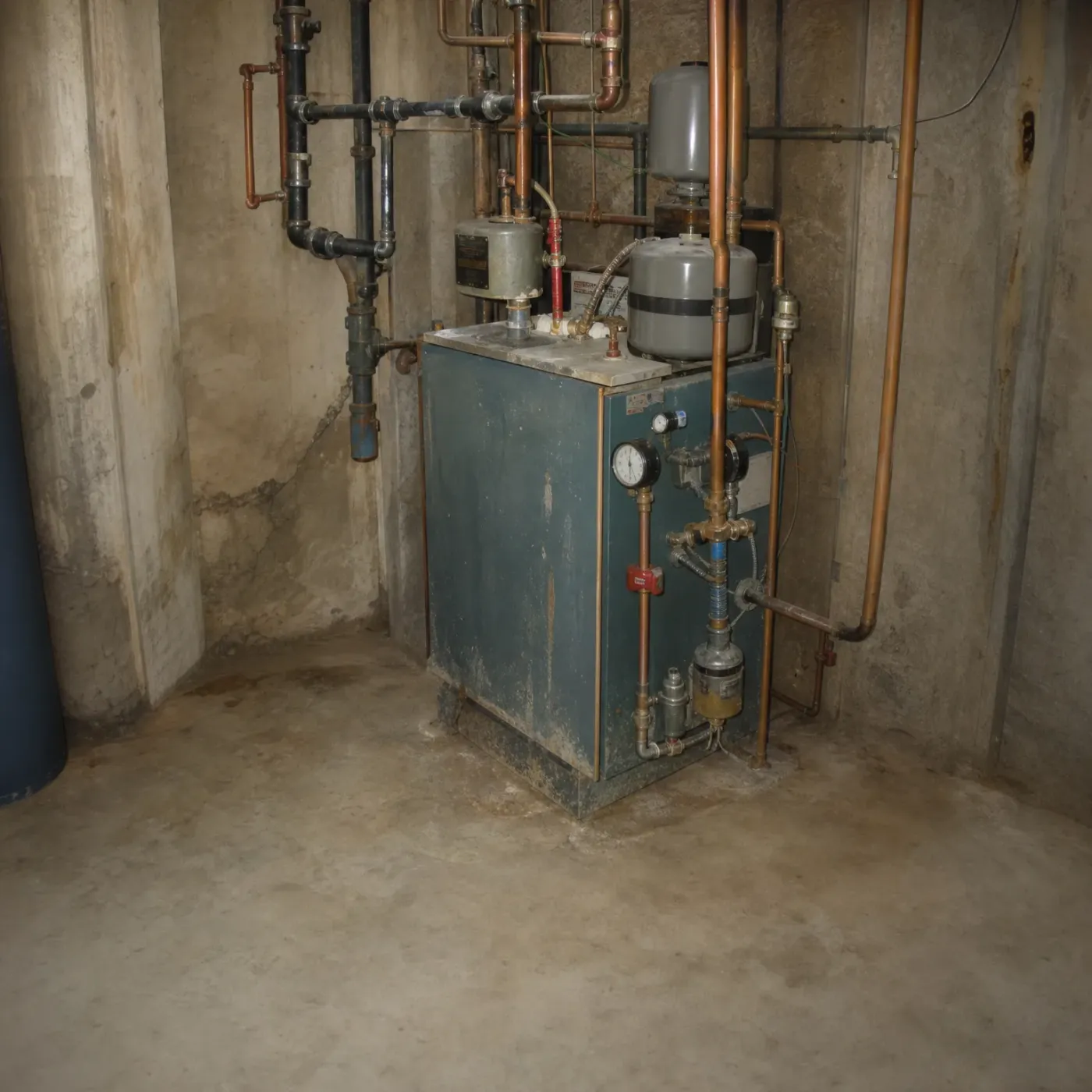
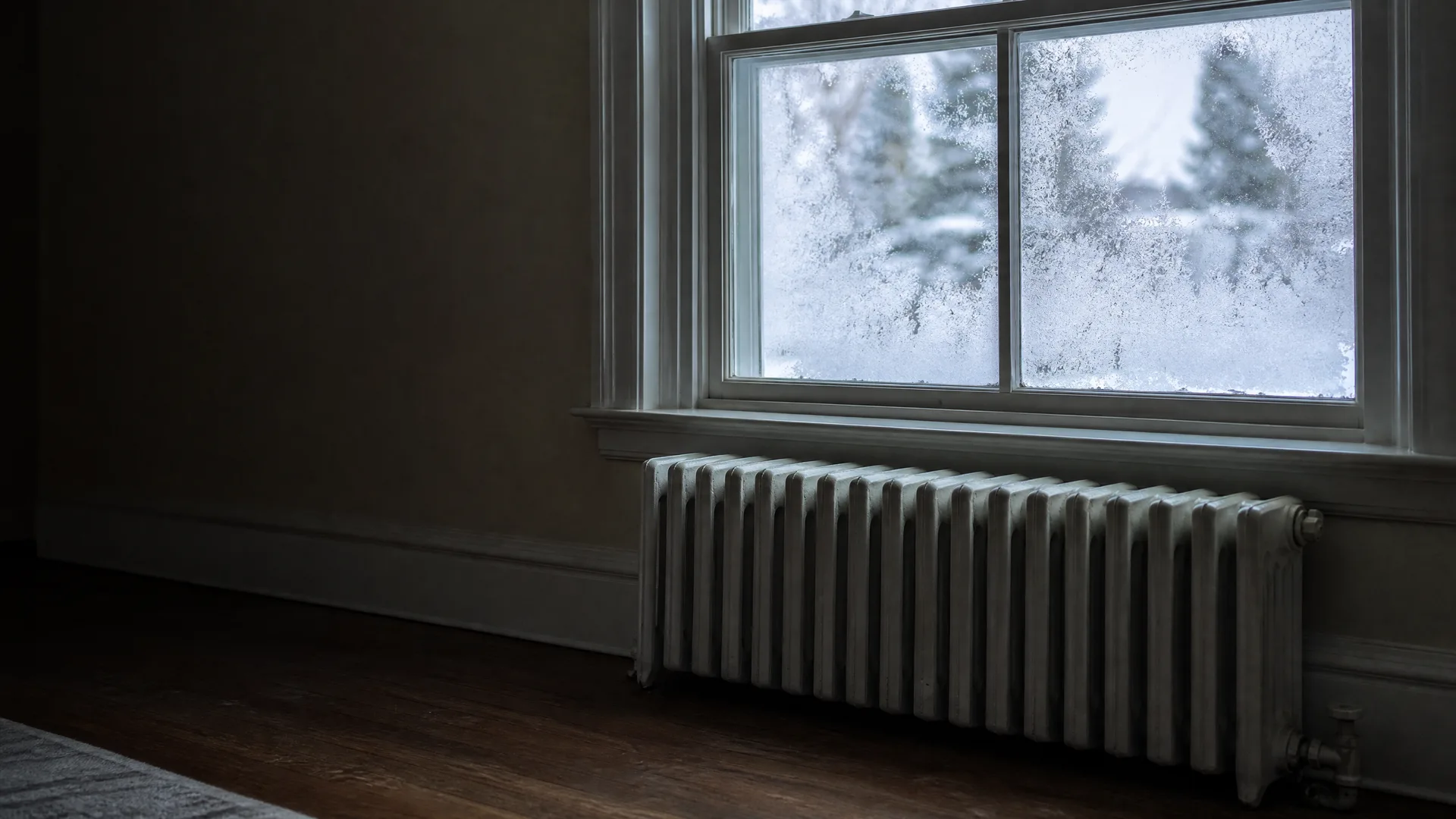
You're up before the sun, same as every morning this time of year. The living room is cold enough that you can see your breath for a second near the window. The cast-iron radiator under it sits quiet, no tick, no hiss, nothing moving inside it. A thin skin of ice has formed on the inside of the glass overhead. You put your palm flat on the radiator's top edge, then the bottom, checking both ends the way you always do before you decide it's something more than a cold snap. Both are cold. Outside, the sky is just turning gray, and the rest of the house is starting to feel it too.
Matched to your boiler job
A boiler problem in an Oklahoma winter doesn't wait well. Gas is how most homes here heat, and a boiler that's lost pressure or lost its pilot can leave a room cold for days if nobody looks at it. The fix usually isn't complicated, bleeding a line, replacing a pump, relighting a pilot, but it takes someone who knows cast iron and hot water baseboard, not just forced air, because the two don't fail the same way. Matching you with a contractor who works on this equipment all winter, someone local who's seen what usually goes wrong in homes around here, means the person who calls you already knows what questions to ask. You get one contractor reaching out, not a handful competing for your number. With a cold room and a boiler that won't cooperate, that's worth setting up now rather than waiting to see if it sorts itself out.
Zone valves stick over time
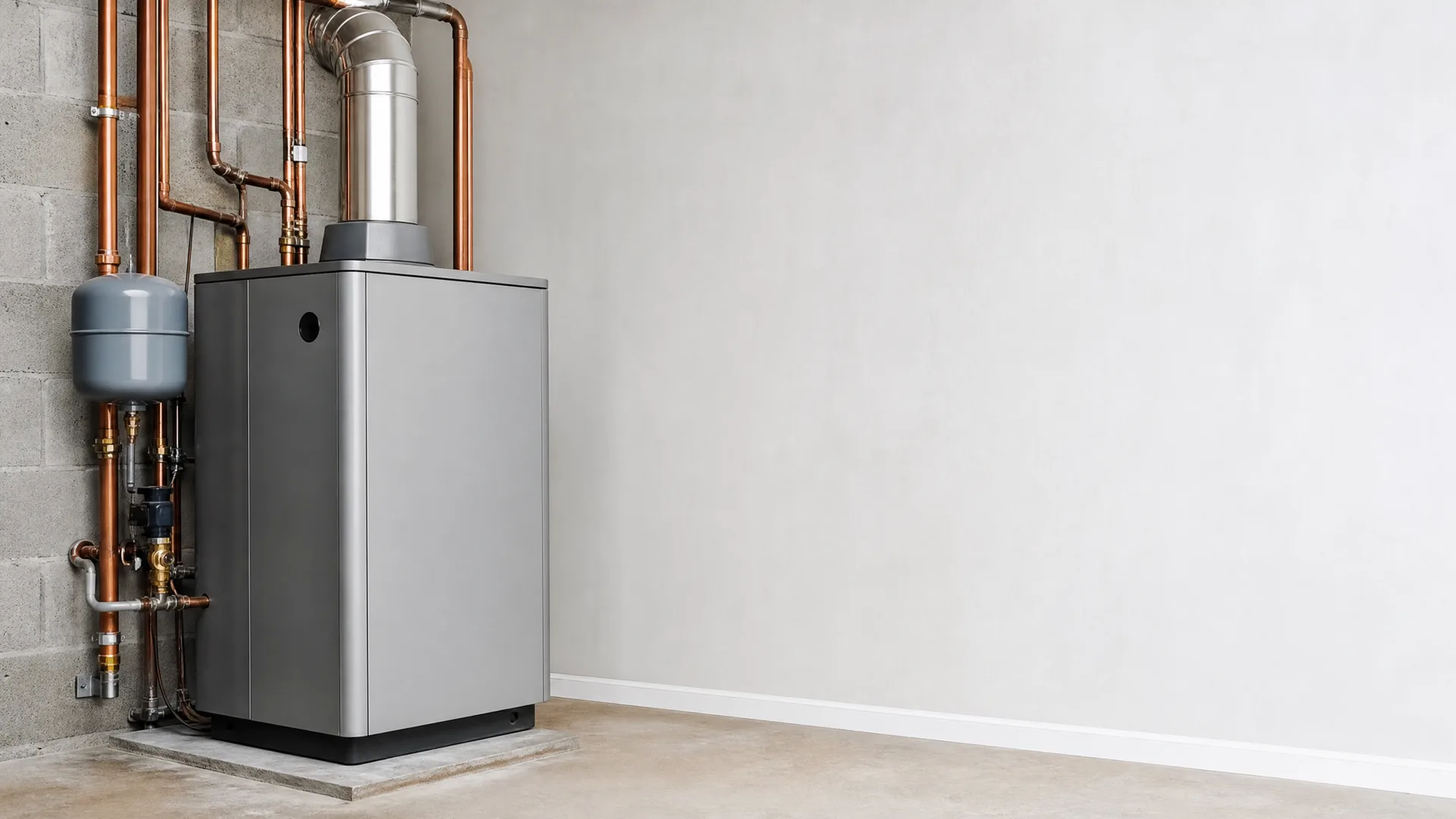
A boiler with more than one loop uses zone valves to send hot water where it's needed. When one sticks shut, the baseboard on that loop stays cold while the rest of the house heats fine. When one sticks open, that zone runs hot all the time and the boiler works harder to keep up. Either way, the valve itself is usually the part at fault, not the boiler.
Pressure drops without you seeing it
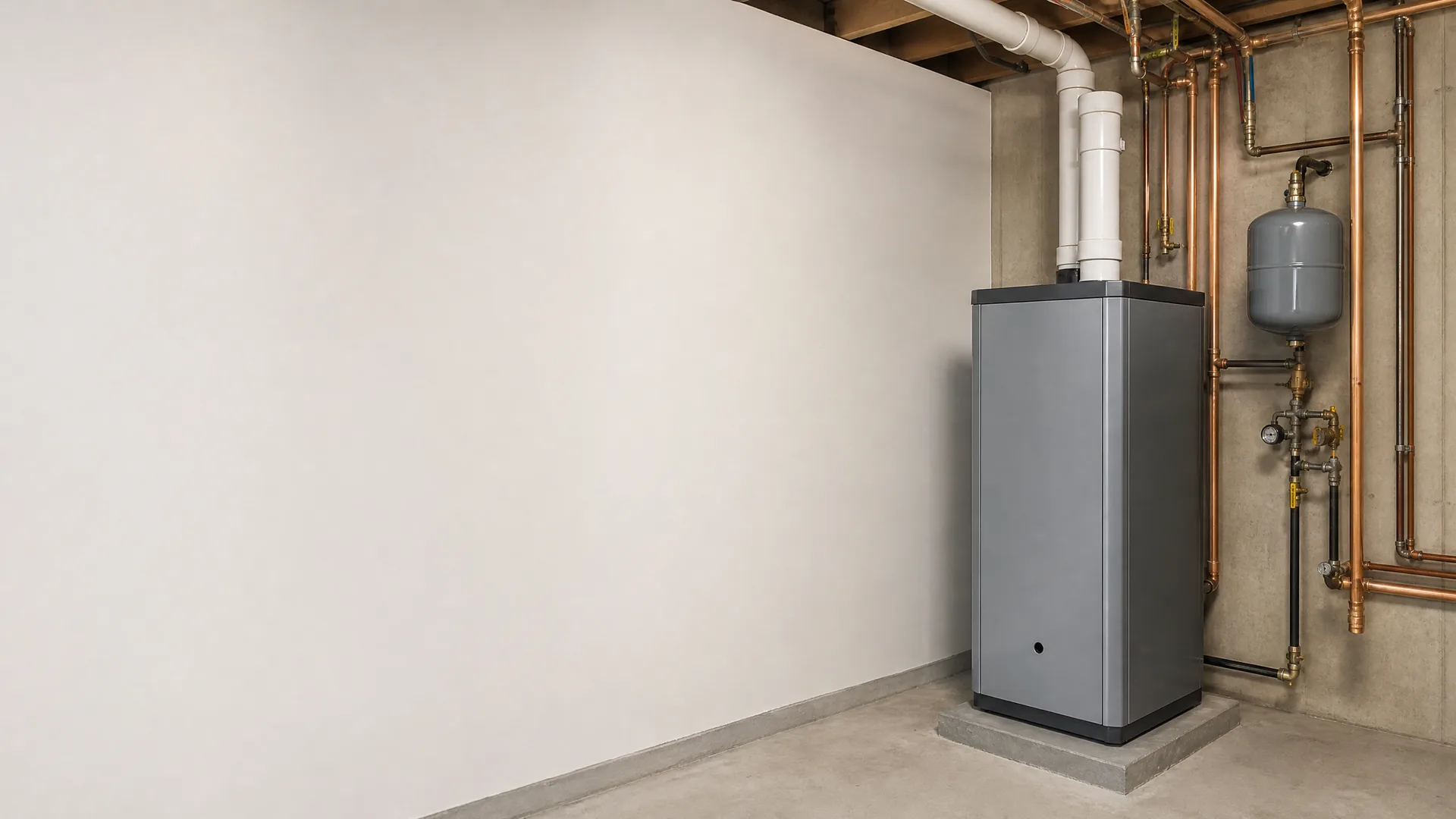
A boiler holds water at a set pressure, usually shown on a gauge near the front. If a fitting weeps slowly or the expansion tank waterlogs, pressure falls over weeks, not days. Low pressure means less water moving through the baseboard loop, and rooms farthest from the boiler feel it first. Checking that gauge now and then catches the drop before a room goes cold.
Winter nights average 30°F statewide
A 30°F night means your boiler is holding a steady call for heat for hours at a stretch, not cycling on and off. If a line is airbound or the pressure has dropped, that's the stretch where a cold room shows itself.
NOAA nClimDiv 1991-2020 county normals weighted by homes
What a Cold Baseboard Tells You
- Cold baseboard with a boiler that runs fine usually means trapped air, a stuck zone valve, or a pump that quit moving water.
- A room that never warms points to one closed loop; a house that's cold everywhere points to the boiler itself.
- Pressure and air issues get worse with every hard freeze, not better, so a cold stretch is the wrong time to wait.
- A local contractor who works on boilers all winter knows which of these usually turns out to be the cause in your area.
- Matching with one licensed local contractor means one visit to sort out, not several companies calling about the same job.
- Most of what stops baseboard heat is something a contractor who knows these systems can find quickly and explain plainly.
A boiler that fires but doesn't heat the room is almost always a circulation problem, not a broken boiler. Air in the line, a zone valve stuck shut, a pump that's quit moving water. Which room is cold tells you a lot before anyone shows up. One cold room with the rest of the house warm points to that loop. A house that's cold everywhere points to the boiler itself, low pressure, a pilot that went out, something at the source.
None of this gets better on its own. Oklahoma winters put a steady load on these systems for hours at a stretch, and a line that's airbound or losing pressure during a hard freeze won't quietly fix itself overnight. It shows up again the next cold morning, and the next, until someone bleeds the line or frees the valve.
This is where knowing the area helps. A contractor who works on boilers through every Oklahoma winter has seen which of these causes turns up most, in homes with systems like yours, and can usually narrow it down fast instead of guessing room by room. When you're matched, it's with one licensed local contractor, not a handful of companies competing for the job. That means one visit, one person who looks at your system and tells you plainly what's keeping that baseboard cold. For someone who'd rather deal with a stuck valve now than a dead boiler in January, that's the piece that matters.


A boiler pro near you
Your request goes to one pro, not a list of companies.
You only hire the pro if you want to.