Why one radiator stays cold in an Oklahoma winter

Tell a local repair pro what your boiler is doing.

Get matched

A cold radiator while the rest of your house heats up usually means air is trapped inside it, or the valve feeding it has failed. Hot water boilers push steam or heated water through each radiator, and if air gets into the line, it collects at the top and blocks the water from filling the unit, so you get a cold radiator with everyone else running warm. The other common cause is the inlet valve itself, stuck shut from sediment or a worn part, so water never reaches that radiator at all. Either way, the rest of the system keeps working fine, which is why only one room feels it. In Oklahoma, where gas heat runs most homes through the cold stretch of winter, a radiator that won't bleed clear or a valve that won't open usually needs a boiler technician to sort out which one it is and fix it before the next cold snap.

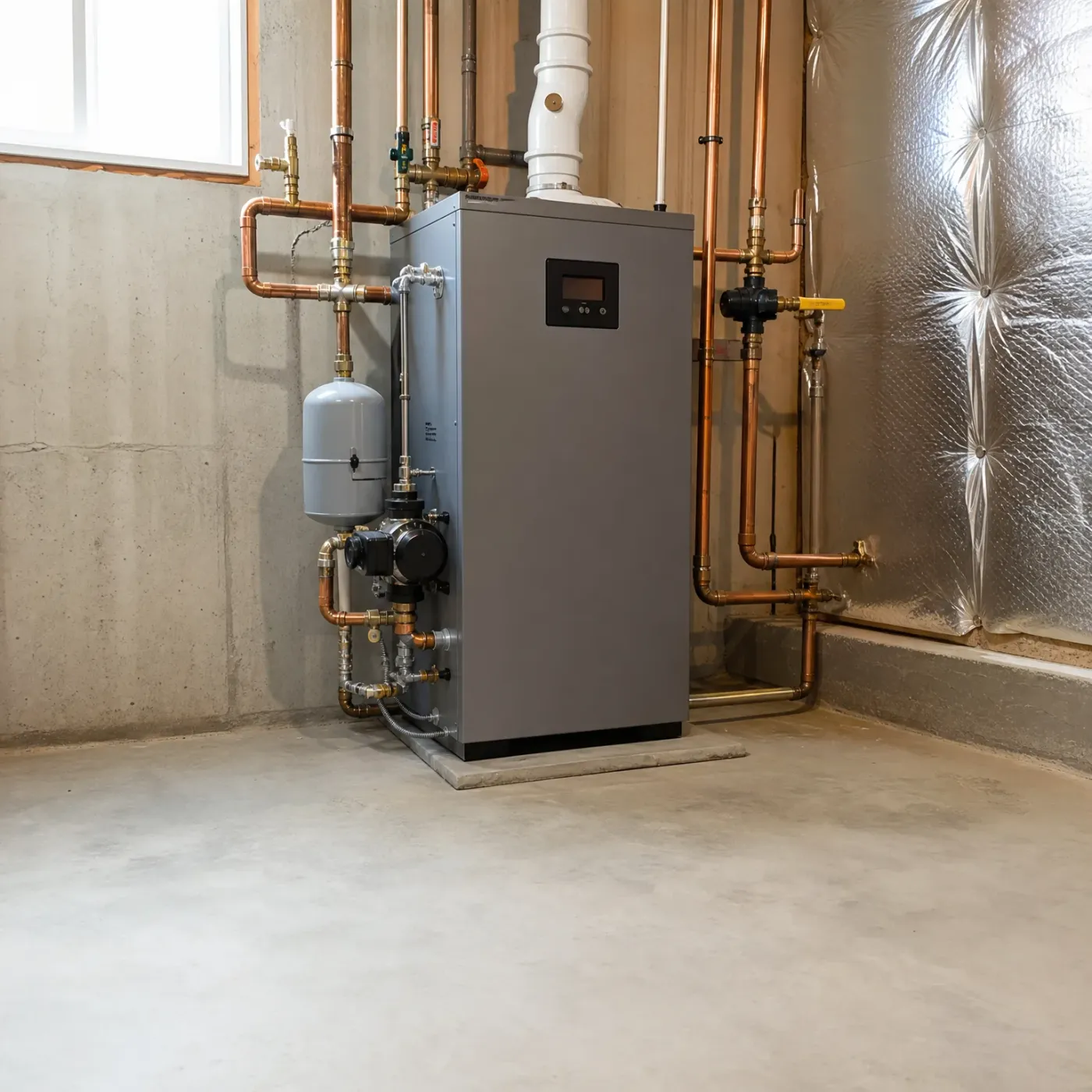
A gray boiler unit with a digital display stands on a concrete basement floor, connected to copper piping, a gas valve, a circulator pump and an expansion tank, beside a concrete wall and foil-faced insulation.

System Circulating Properly

This is a boiler heating every radiator the way it should. Water moves out through the copper lines, the pump keeps pressure steady, and the expansion tank absorbs the shifts as the system heats up. Every radiator in the house gets its share of hot water.

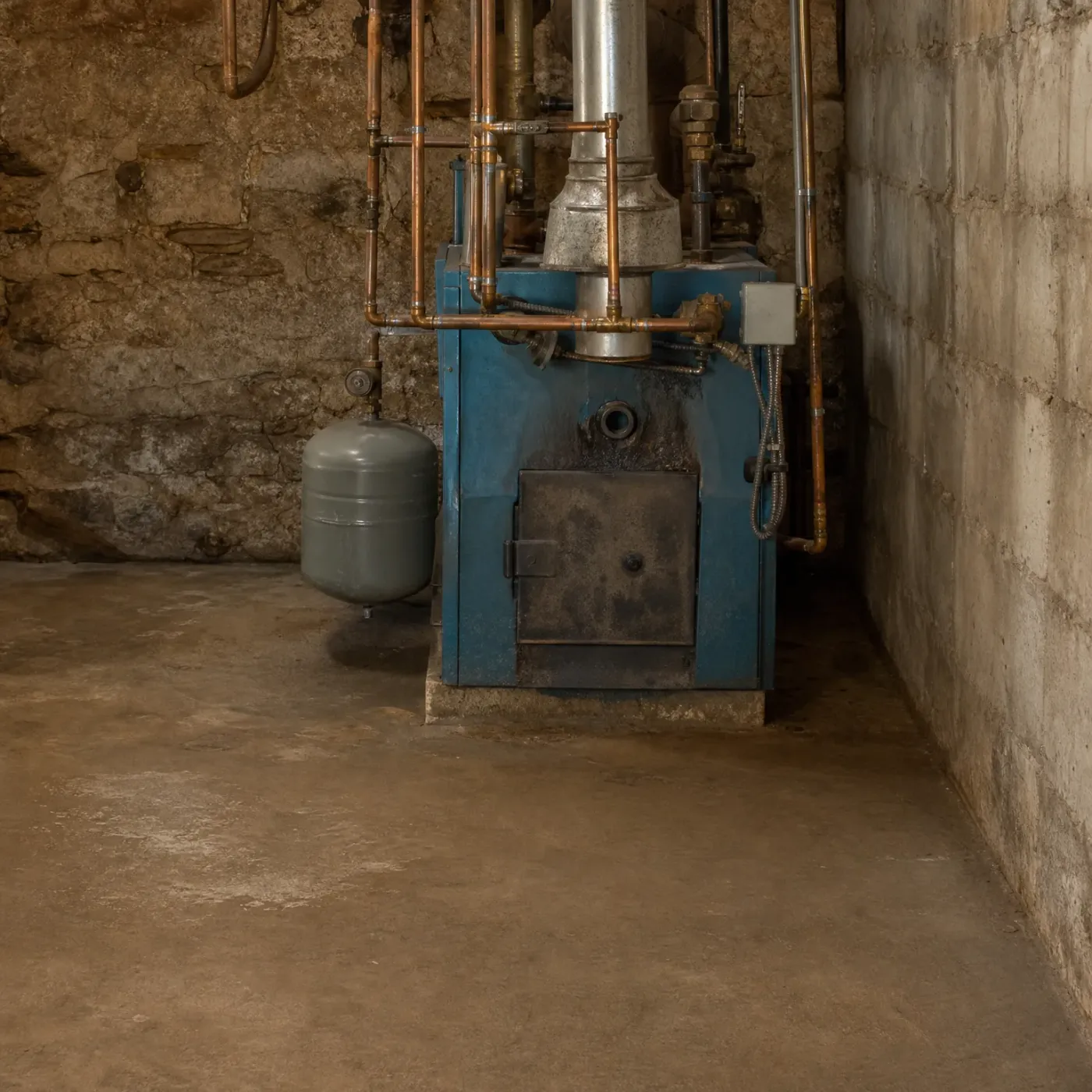
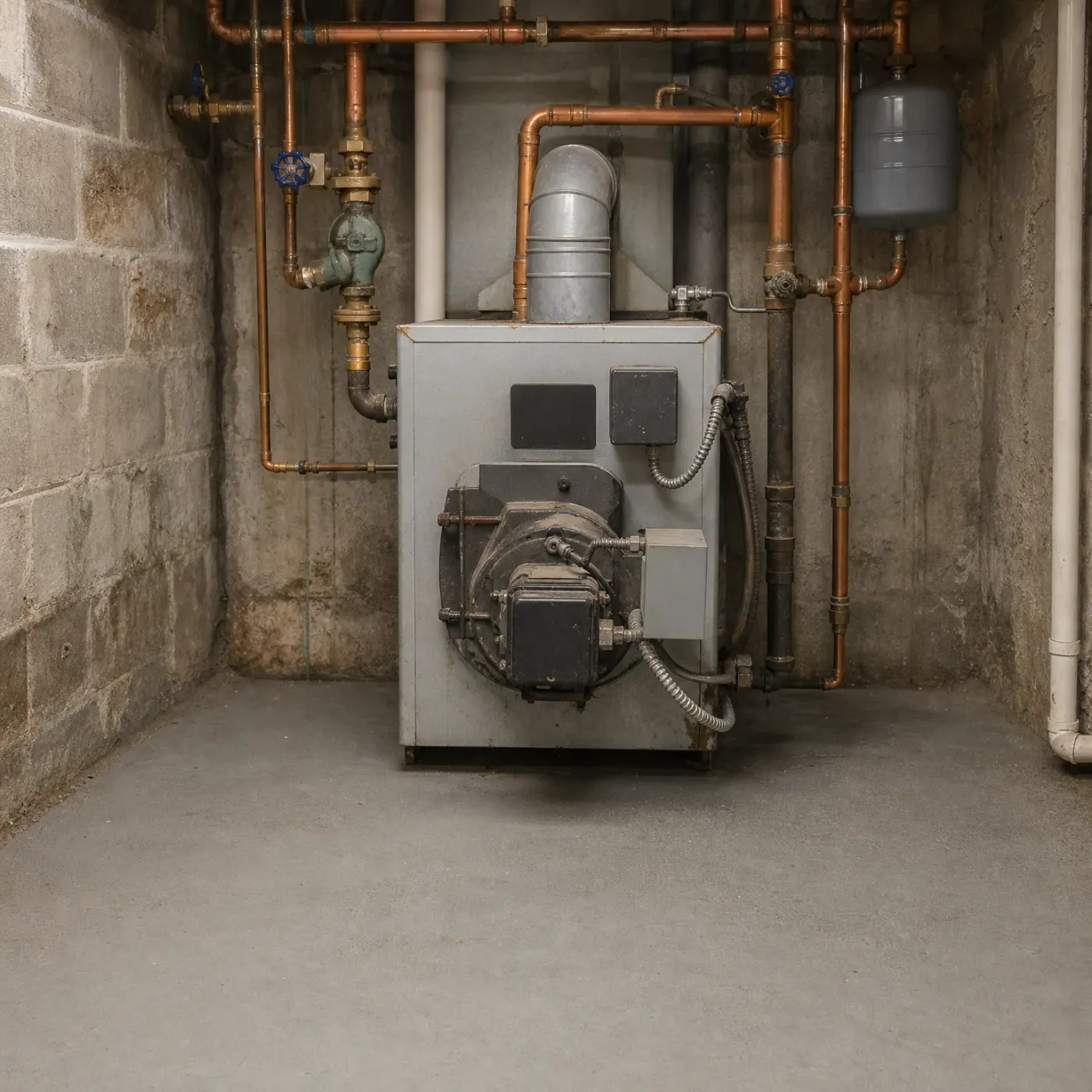
A blue cast-iron boiler with a metal flue pipe and copper piping stands against a stone and concrete block basement wall beside a gray expansion tank on a bare concrete floor.

Cold Spot, Old Boiler

This is an older cast iron boiler, the kind more likely to have a radiator that won't warm up. Years of use show on the access door, and a setup like this is more prone to a stuck valve or a line that needs bleeding. One cold radiator while the rest of the house is warm points here.

Bleed It Yourself or Call a Contractor

Bleed It Yourself

  • A radiator key or flathead screwdriver opens the bleed valve at the top end, and trapped air hisses out until water starts to dribble.
  • Once steady water comes out instead of air, the radiator should heat evenly from end to end within a few minutes.
  • This only works for trapped air. If the radiator stays cold after bleeding, the problem is likely the valve, not the air.
  • Low system pressure on the boiler gauge after bleeding several radiators means water needs to be added back in, which not every homeowner is set up to do safely.
  • Steam boilers use a different kind of vent that isn't meant to be bled by hand, so this fix applies to hot water systems only.

Call a Contractor

  • A stuck or corroded valve won't respond to bleeding, and a contractor can tell within minutes whether that's what's keeping the radiator cold.
  • A technician checks system pressure and refills it correctly, which matters if a radiator has stayed cold long enough to throw off the whole loop.
  • Instead of searching around for someone licensed to work on a boiler, you get matched with a contractor who handles this kind of repair.
  • That contractor reaches out directly, so there's no explaining the cold radiator over and over to different companies before anyone shows up.
  • If the fix turns out to be a part replacement rather than a simple bleed, the same contractor can take care of it without starting over with someone new.
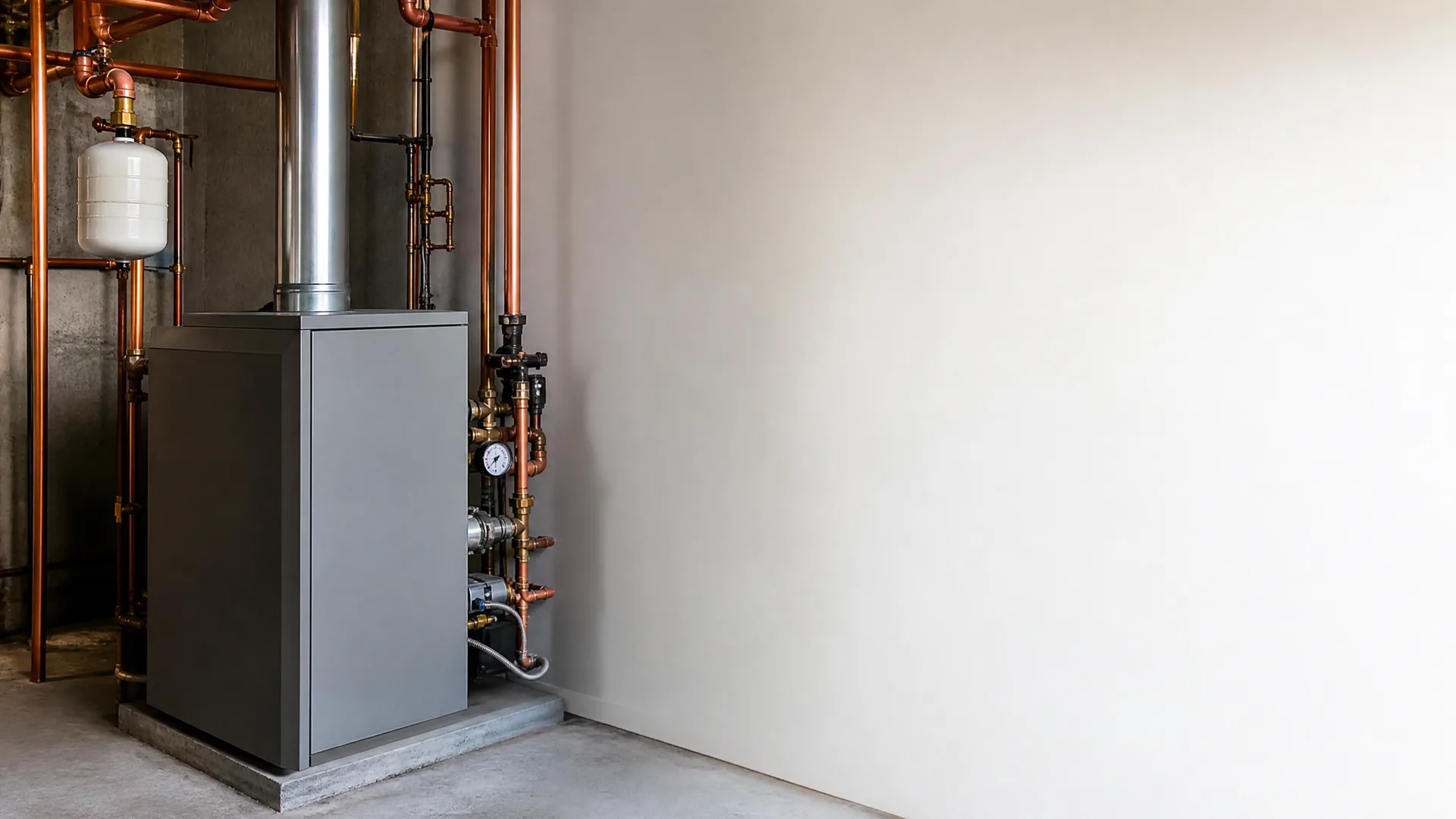
A grey floor-standing boiler with a metal flue and copper pipework, valves and a pressure gauge stands in the corner of a room with plain light walls and a concrete floor.

Why Air Gets In At All

A boiler system is sealed, but small amounts of air work their way in anyway, through the fill valve, through a fitting that has loosened, or dissolved right in the water itself. Every time you add water to the system, you add a little air with it. The expansion tank is built to catch most of it. What gets past the tank rises to the highest point it can reach, which is often the far radiator on the top floor.

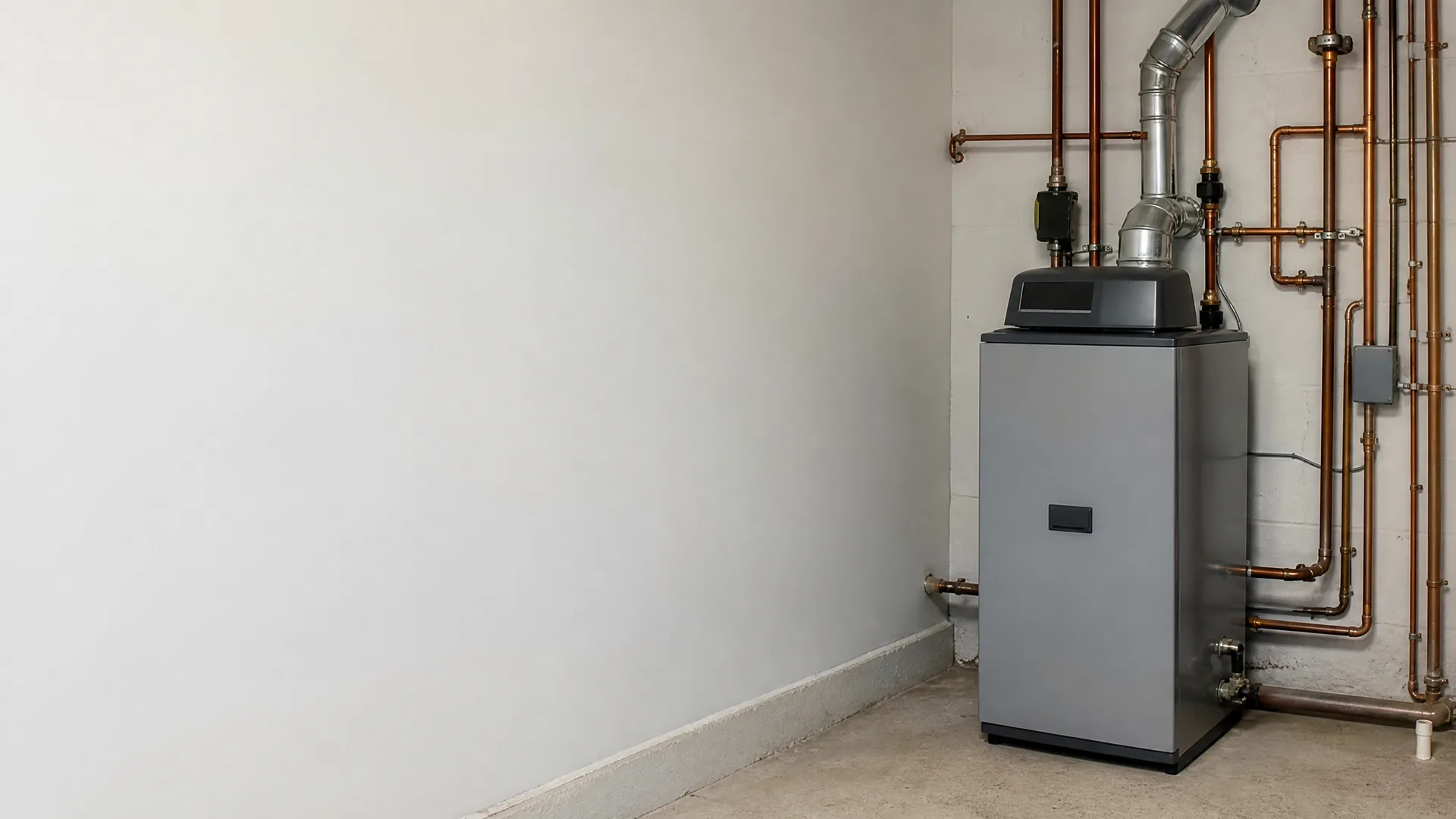
A gray floor-standing boiler with a metal flue pipe stands in the corner of a plain painted basement room, connected to copper pipes running along the wall.

One Cold Radiator Versus Several

A single cold radiator points to trapped air or a closed valve at that one unit. Several cold radiators, or a system that won't hold heat anywhere, points to something upstream, like a failing pump or low water pressure in the boiler itself. The valve at each radiator controls flow to that unit alone, so a stuck valve only takes down the one room, while a pump problem shows up on every floor at once.

Why is just one room cold this winter?

You've probably noticed it in the one room everyone complains about: the radiator is cool to the touch, maybe only warm at the bottom, while every other room in the house is fine. You might hear a gurgle or hollow knock coming from inside it when the boiler runs. Oklahoma winters swing cold enough that one dead radiator means one room nobody wants to sit in, and a space heater running to make up for it costs more than the gas heat already paid for. Left alone, that trapped air or stuck valve does not fix itself, and the boiler keeps working the same whether that radiator puts out heat or not.

A woman with long wavy brown hair in a grey ribbed sweater sits on a couch indoors, looking toward a window, with a potted palm-like plant and fireplace behind her.
A woman with long brown hair wearing a green V-neck top and beige cardigan sits on a light sofa, looking off to the side, with a dining table, lamp and framed picture in the background.
A woman with long dark hair in a cream knit sweater sits on a beige sofa indoors, looking toward a bright window with a houseplant and framed picture in the background.
A woman with long dark hair in a green knit sweater sits on a couch indoors, smiling and looking toward a window with a blurred room behind her.

A pro who works on boilers

You can bleed a radiator yourself, and plenty of people do. But if bleeding doesn't fix it, the problem sits further in, a failed valve, a circulator pump losing pressure, a blockage in the line, and finding that takes a boiler tech, not a key and a rag. A gas boiler keeps a house warm through an Oklahoma winter that can turn cold fast, and a room that won't heat is worth sorting out before the next hard freeze, not after. Finding the right contractor on your own means searching, calling a few numbers, explaining the same cold radiator each time, then weighing quotes that don't quite match up. Hand that off instead. Tell us what's going on with your radiator and your boiler, and a contractor who works on these systems in your area will reach out to you directly, so you're explaining it once, to the person who's actually going to look at it.

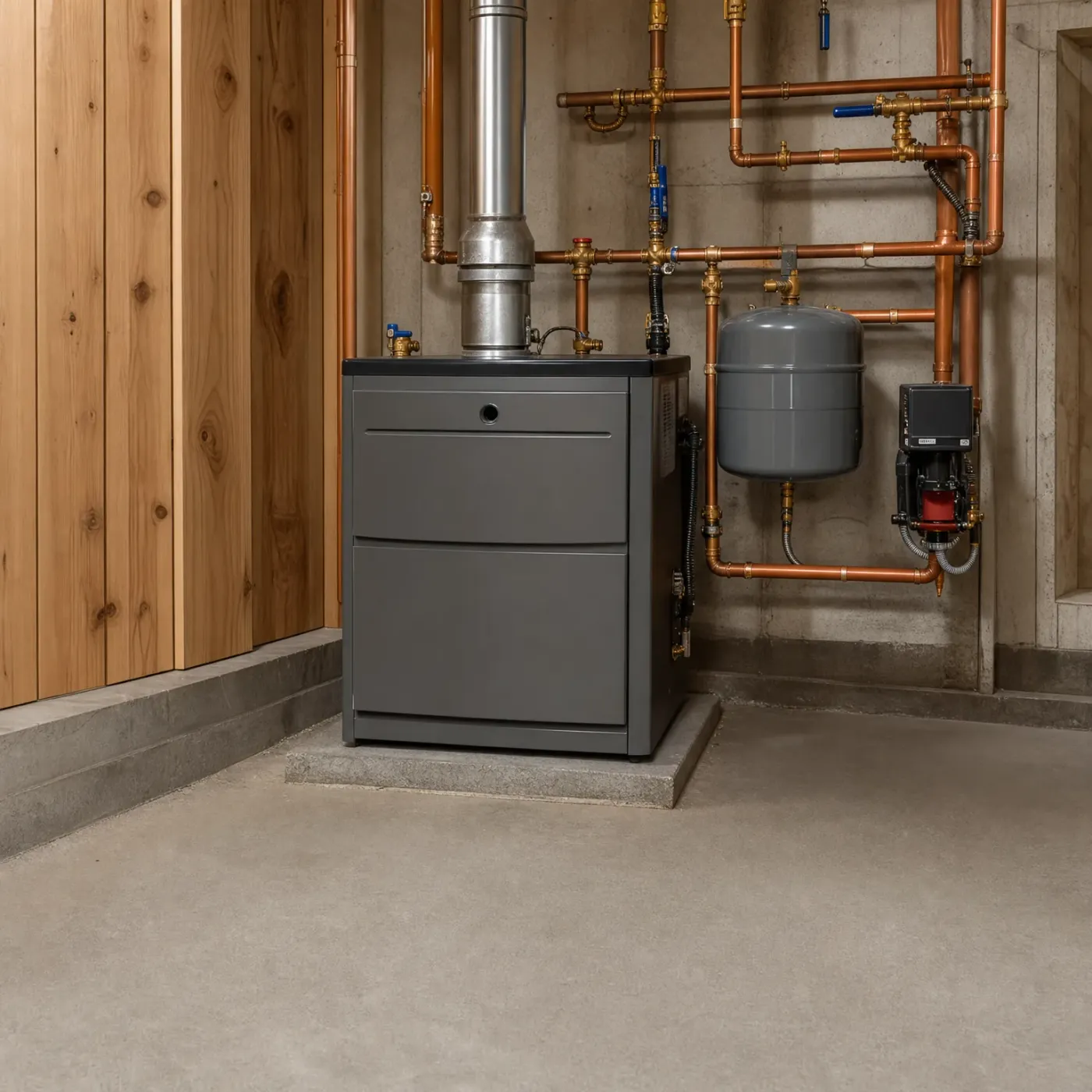
A gray boiler on a concrete pad in a basement, with a metal flue pipe and copper piping, brass valves, a gray expansion tank and a circulator pump mounted on the concrete wall beside wood paneling.
Every radiator in the house pulls its share of heat, with no cold spots to chase down or valves to question.
A gray boiler with a flue pipe and burner unit stands against a concrete block basement wall, surrounded by copper and steel piping, valves, and a gray expansion tank, on a bare concrete floor.
An unfinished basement like this hides the valve or fitting that is failing, long before the cold radiator upstairs tells you something is wrong.

Winter nights average 30°F statewide

Nights in the 30s mean your boiler is running long stretches to keep every room even. A trapped pocket of air that might barely show up on a mild evening gets obvious fast, the one cold radiator holding back while the rest of the house climbs to temperature around it.

NOAA nClimDiv 1991-2020 county normals weighted by homes

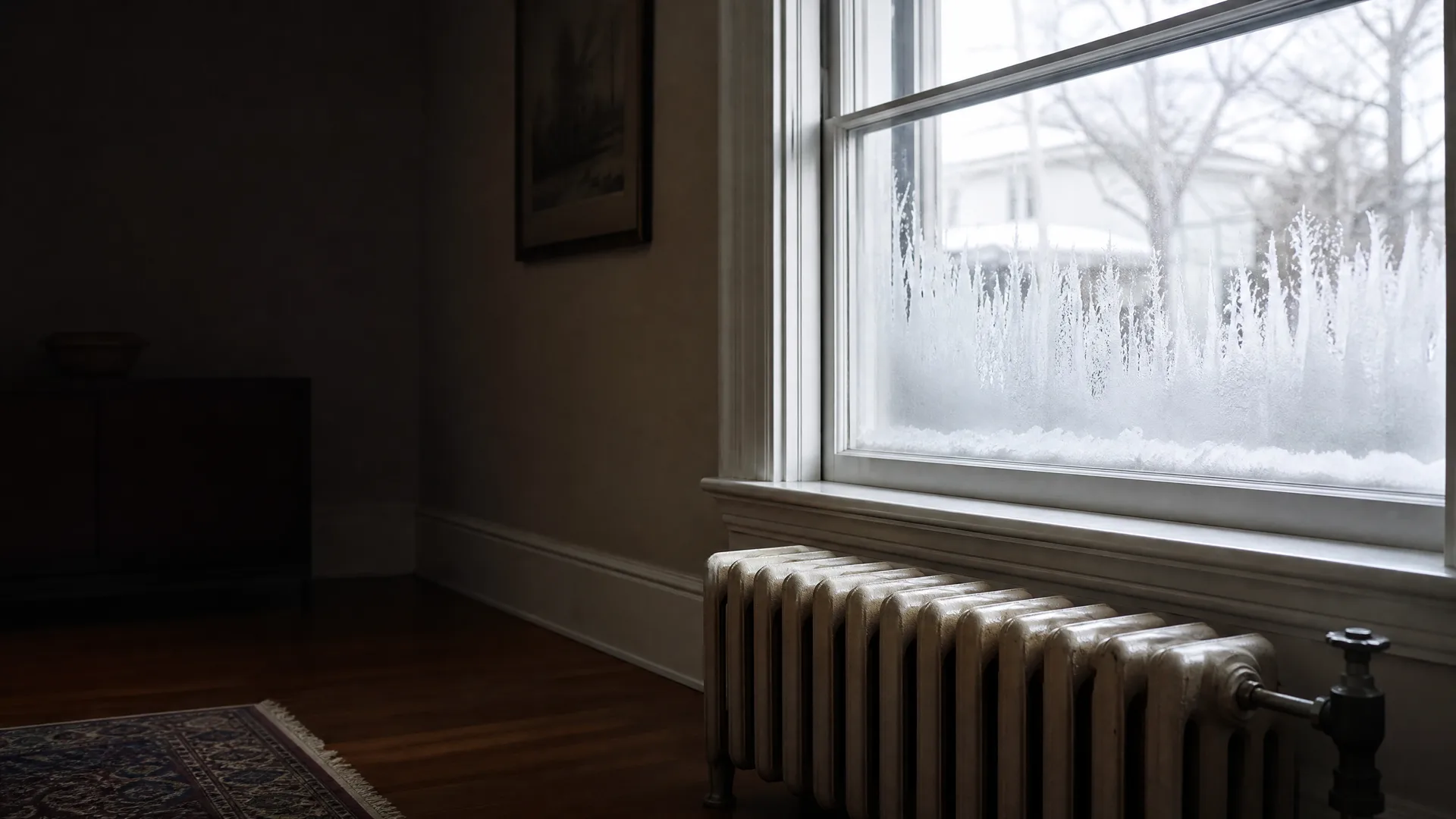
A cast-iron radiator with a valve sits beneath a frost-covered window in a dim room with dark wood floor, a patterned rug, a framed picture, and a low cabinet.

Six in the morning and the house is quiet except for the boiler running somewhere below you. Frost has crept up the inside of the window glass, and under it the radiator sits cold, the kind of cold that tells you right away it isn't even trying. You press a hand flat against the top edge, then the bottom, hoping for a difference and not finding one. Everywhere else in the house the air already feels like morning should. Here the cold just sits, stubborn, while outside the thermometer reads somewhere in the 20s and the glass keeps its own ice going. You pull your robe tighter and head for the kitchen, already turning over what you'll need to do about it.


A woman in a cream sweater and jeans stands in the open doorway of a white stucco house, holding the dark door, while a man in a dark quilted jacket seen from behind walks toward the entry past potted plants.

One cold radiator has a reason behind it

A radiator that won't heat while the rest of the house does is either holding air or waiting on a part that's failed. Bleeding it settles the question fast. If water runs steady and the heat still won't come up, something further in needs a tech's attention, the valve, the pump, or a line that's partly blocked. Either way, you know more now than you did before, and you know what to check first.

If it turns out to be more than air, you're not stuck calling around Oklahoma for someone who works on boilers, explaining the gurgle and the cold spot over and over to whoever picks up. You get matched with a contractor who handles this kind of repair, and they reach out to you. One call made, instead of five.

Interior corner with a beige sofa holding a dark green and a light cushion and a textured throw, a potted small-leaved tree beside a white-framed window, and a dark shallow bowl on a wooden coffee table in the foreground.
A single-story stucco house at dusk with a lit paver walkway lined by low path lights, desert plants and boulders in front, and distant mountains under an orange and blue sky.

Boiler Repair

Get your boiler to the right pro

Step 1 of 3: Equipment
  • A cream chunky cable-knit throw draped over a beige upholstered armchair beside a bright window, with a wooden side table holding a book and a vase of leafy branches at left.
    • A local pro who knows boilers gets your details and gets in touch.
  • Living room corner with a gray sofa holding beige pillows and a knit throw, a round wooden coffee table with a dark planter and shallow bowl, a jute rug, a floor lamp, a framed landscape print on the wall, and a window showing trees.
    • Send the request today and stop worrying about who to call.
    • After this form, you can stop searching for a boiler pro.
  • A living room corner with a cream sofa and cushion, knit throw, wooden coffee table holding a shallow bowl and dark ceramic vase with green foliage, a floor lamp, potted plant in a woven basket, and linen curtains at a window.
    • Describe what your boiler is doing once, in one form.
    • Answer a few questions instead of calling shop after shop.
  • A round reclaimed-wood coffee table with a black metal base sits on a woven rug in front of a cream sofa with cushions, with a lit built-in fireplace and a tall indoor tree in the background.
    • The pro who reaches out is licensed in Oklahoma.
    • Only one pro gets your request, so you hear from one company.