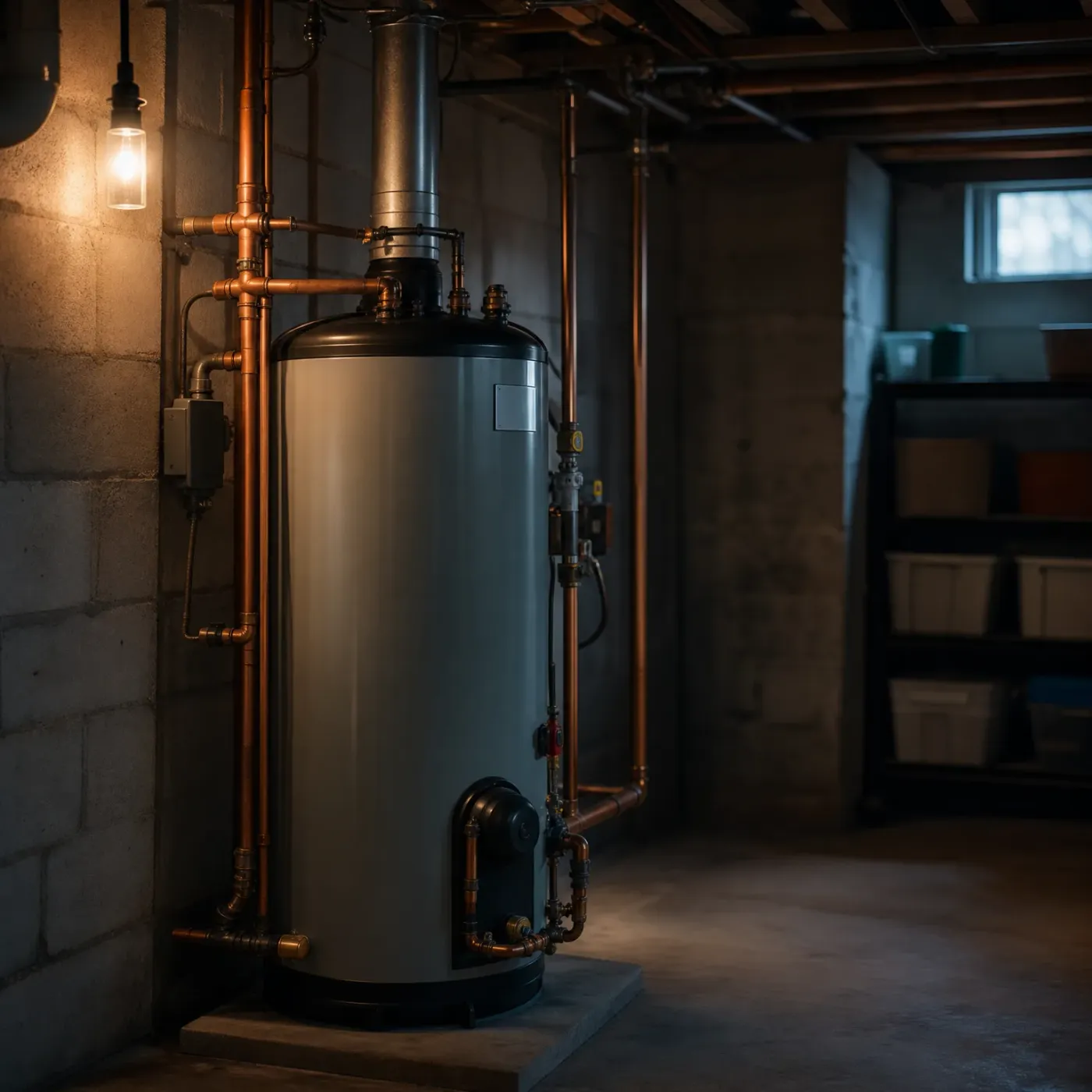
A cylindrical water heater or boiler with a flue pipe and copper piping stands on a concrete pad in a dim basement with concrete block walls, a hanging bulb at left and a shelving unit with bins at right.

Get your boiler to the right pro

Is a high-efficiency boiler worth it in Oklahoma

Oklahoma heats with gas more than not, and power here is cheap, which changes the math on a high-efficiency boiler compared to other states. A standard model costs less up front, but a condensing boiler wastes less gas every month it runs. This page walks through when that difference pays off and when it doesn't, so you can see where your situation lands before a contractor looks at your setup.

Get matched

A high-efficiency boiler is worth it in Oklahoma if you plan to stay in the house long enough for the lower gas bills to add up, and less worth it if you are weighing it against a cheap electric option just because power here costs so little. Most homes in Oklahoma heat with gas, so the comparison that matters is between a standard boiler and a condensing one, not between gas and electric. A standard boiler vents a lot of heat straight out the flue. A condensing model pulls more of that heat back out of the exhaust before it leaves, so it burns less gas to put out the same heat. The upfront cost is higher, and the gas savings only show up over the years you keep the house and keep running it. If you are settled in and plan to stay, that math works in your favor.

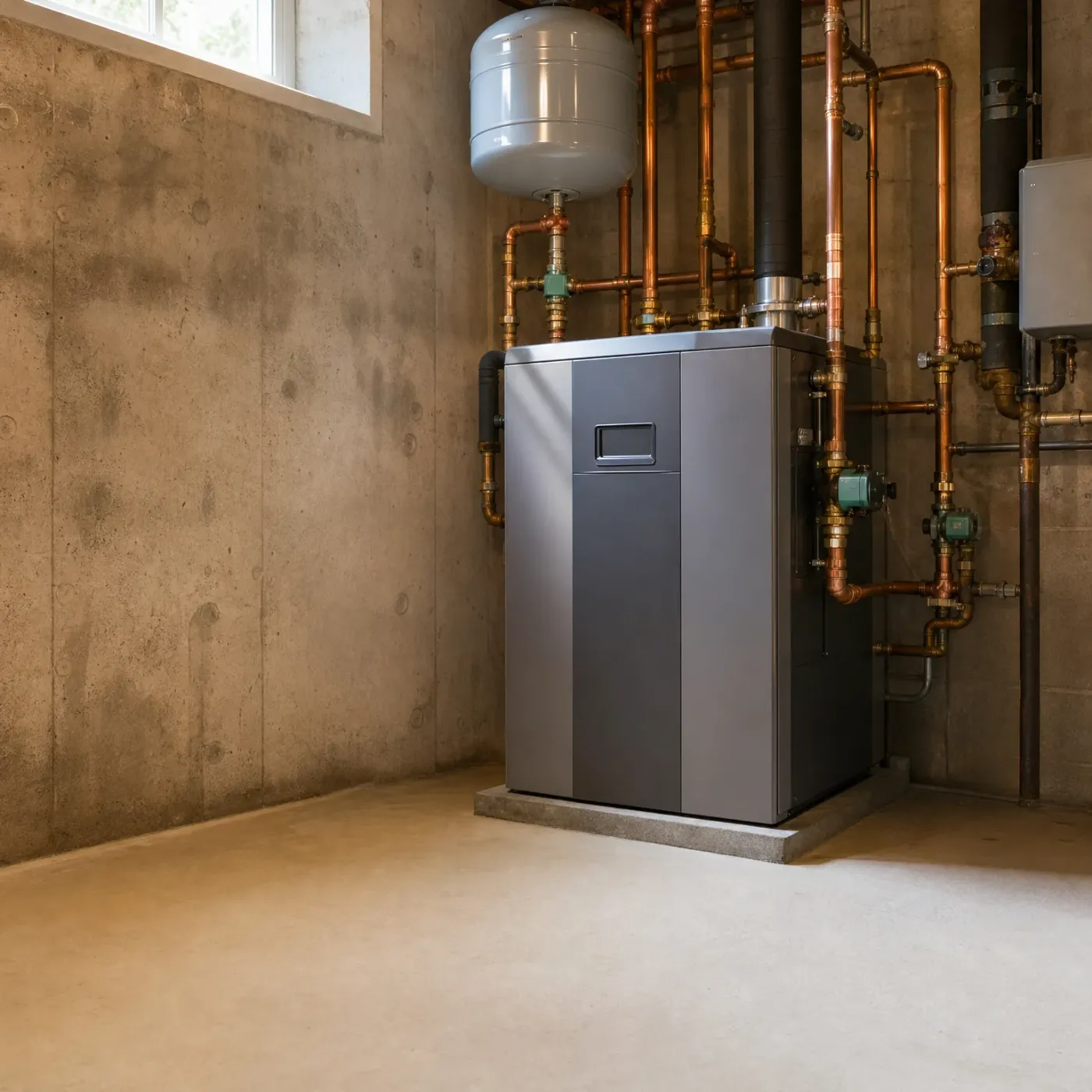
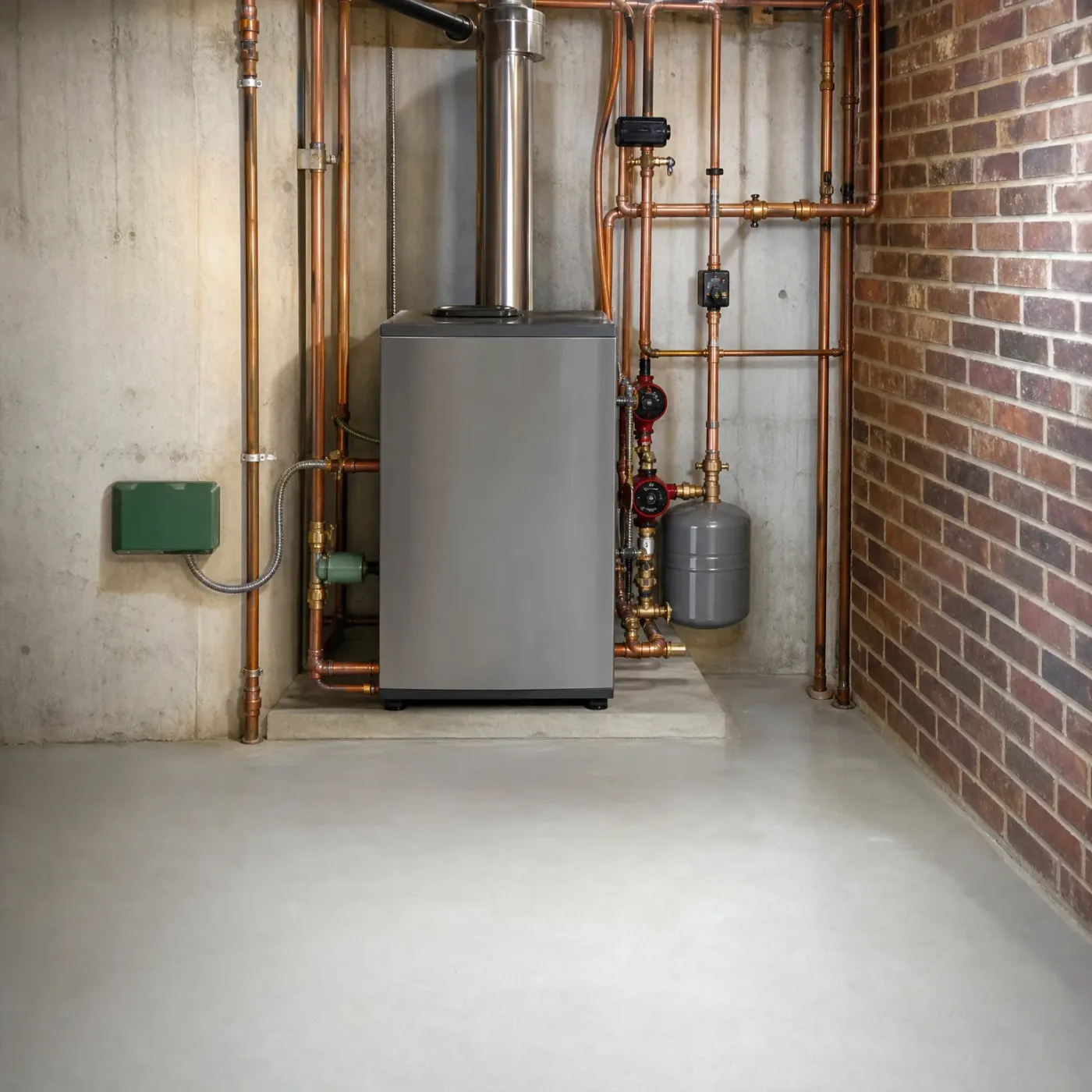
A gray boiler unit on a concrete pad in a basement corner, connected to copper piping, circulator pumps, and a ceiling-mounted expansion tank against bare concrete walls.

A condensing boiler running clean

A newer boiler like this pulls more heat out of the same gas before venting it outside. The pipes and pumps stay dry, the pressure holds steady, and the gas bill reflects what it's actually using, not what it's wasting up the flue.
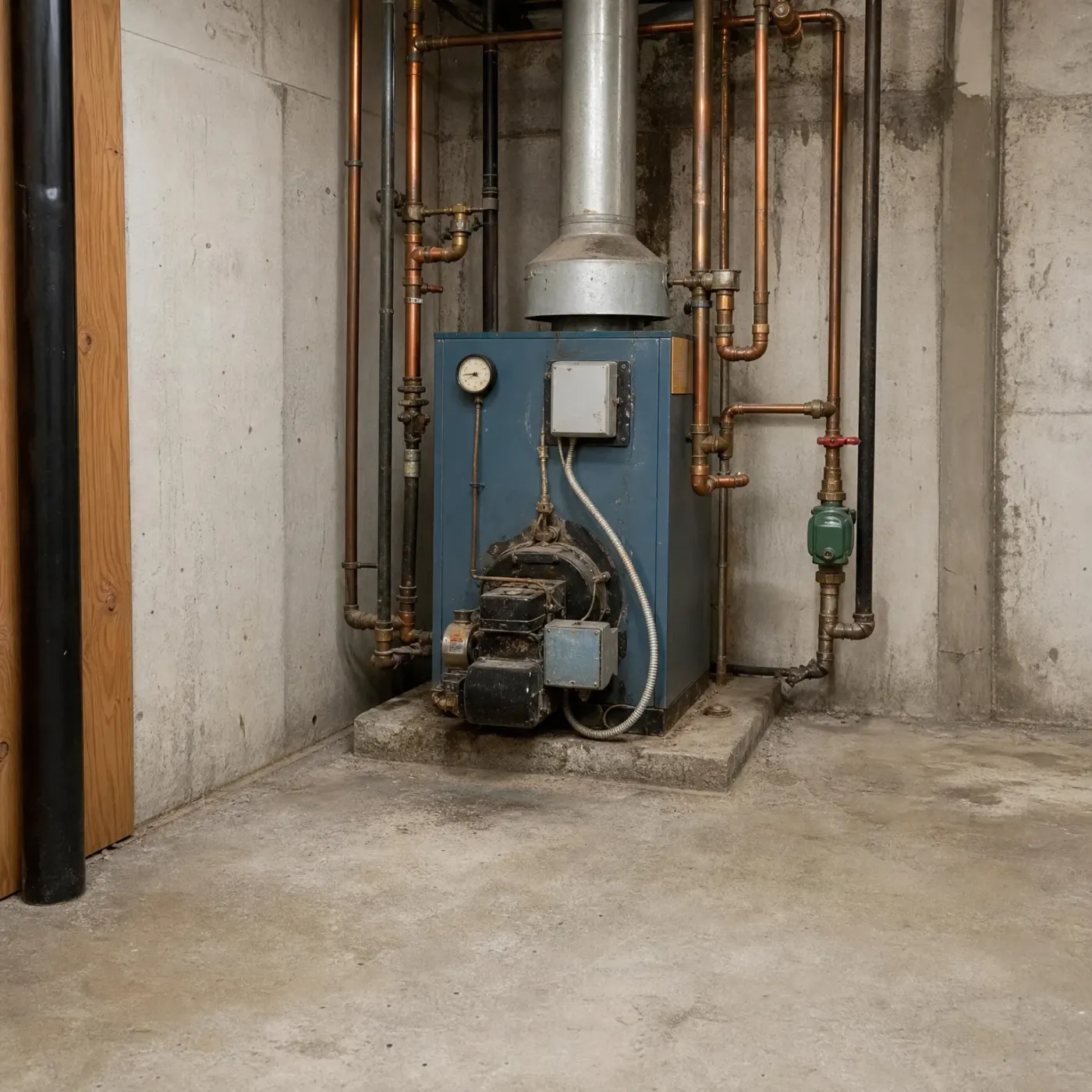
A blue oil-fired boiler with a pressure gauge, burner unit and metal flue sits on a concrete pad in a basement corner, surrounded by copper and black pipes against bare concrete walls.

An old boiler losing ground

A boiler this age sends a lot of heat straight out the flue duct instead of into your house. Watch the pressure gauge drift and listen to the burner cycle more than it used to. That's gas paying for heat you never feel.

Why is your gas bill climbing every winter

Walk past your boiler and feel for warmth on the flue pipe or notice a smell like rotten eggs near the unit, and you're looking at a boiler losing heat it already paid for. An older standard boiler vents a lot of that heat straight outside instead of putting it into your water. You might hear it short cycle, kicking on and off more than it used to, or see the pilot light burning yellow instead of blue. None of that is dangerous by itself, but it means the boiler is working harder for the same warmth, and that shows up as a bigger number on your gas bill every month it runs.

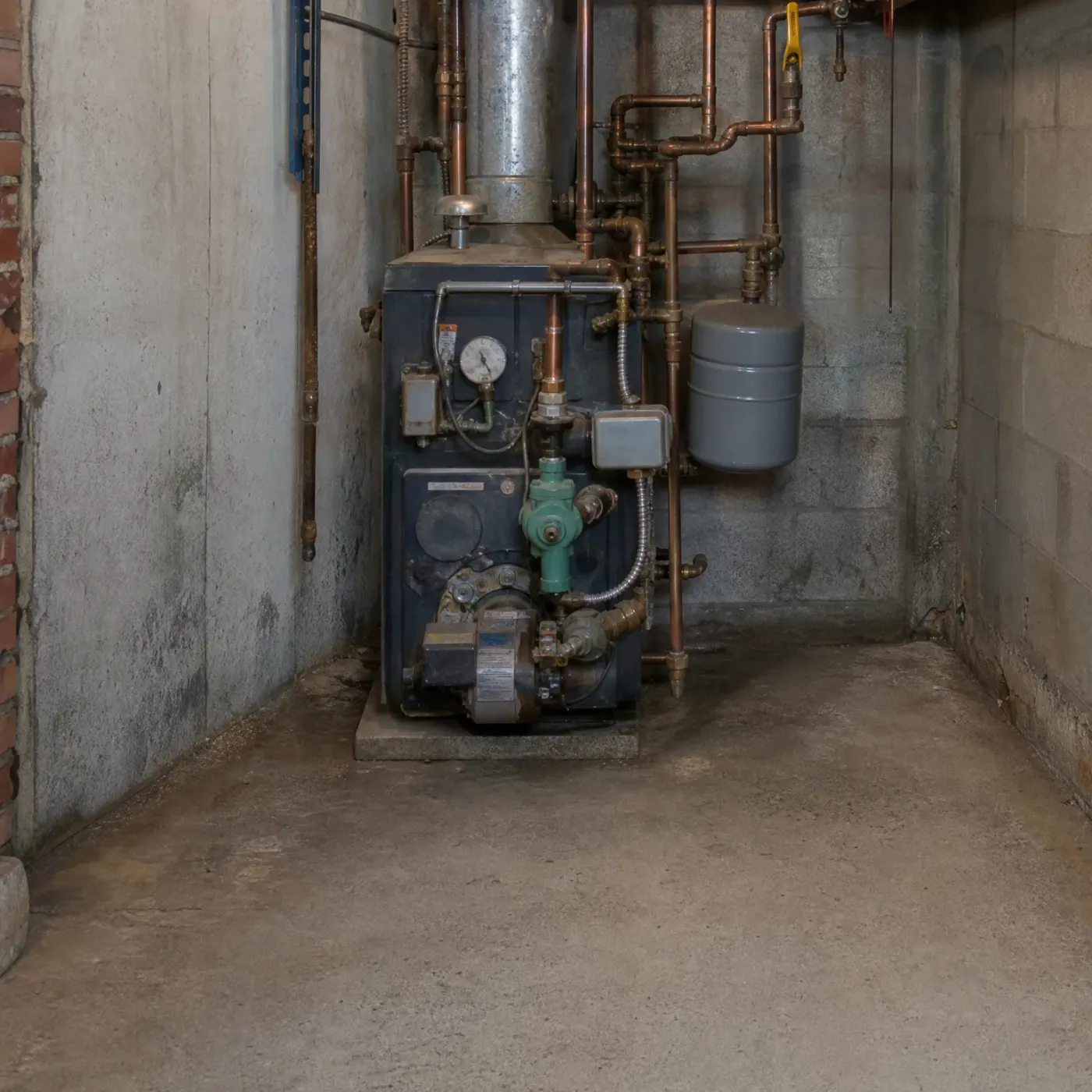
A gray boiler on a concrete pad in a basement, connected to copper piping, valves, pumps and a gray expansion tank, with a concrete wall on the left and a brick wall on the right.

A well-kept mechanical room

Copper lines run tight to the boiler, the pumps hold their color, and the expansion tank sits dry. Nothing on the flue feels warm to the hand. A setup like this is doing what it was installed to do, and a high-efficiency replacement keeps it that way for less gas.

A dark cast-iron boiler with copper piping, pressure gauge, and a gray expansion tank sits on a concrete pad in a basement corner with concrete block and brick walls.

An older boiler on its way out

This one still runs, but the flue pipe climbs straight up with no second pipe for the exhaust a condensing unit needs. Gauges wear out, pumps seize, and gas gets burned without being used. Replacing a boiler like this with a high-efficiency model means the gas bill finally matches what the house actually needs.

How does a condensing boiler actually save gas?

You've heard a condensing boiler saves on gas, but nobody explains how that actually happens inside the unit. You want to know what's different about the way it burns fuel before you spend money finding out if it's worth it for your house.

It pulls heat out of the exhaust before that exhaust leaves the house

A standard boiler burns gas, pulls what heat it can from the flame, and sends the rest up the flue still hot. A condensing boiler runs that exhaust through a second heat exchanger first. The gas cools enough to turn to water, the heat that water held gets pulled into your system, and only then does the leftover exhaust vent outside, cool enough that the pipe often runs plastic instead of metal. That second pass is where the savings come from. It isn't a cleaner flame or a smarter thermostat. It's heat that used to go up the flue now going into your radiators or baseboards instead.

An older man with gray hair and a beard, wearing a dark coat dusted with snow, stands smiling in a doorway of a warmly lit home with a sofa, lamp and window visible behind him.
An older man with grey hair and a beard, wearing a dark coat dusted with snow, stands in a dimly lit entryway with a ceiling lamp, a side table with two shaded lamps, and a lit fireplace visible in a room beyond.
A bearded older man in a dark snow-dusted coat and scarf stands just inside a home's front door, with a lamp-lit room and snowy window visible behind him.
An older man with gray hair and a beard stands in a doorway of a home, wearing a dark coat dusted with snow, with a lit fireplace and lamp visible in the blurred room behind him.

The right pro for this job

Once you've worked through the gas prices and the payback math, the only thing left is finding a contractor who installs condensing boilers correctly, since a high-efficiency unit only saves what the math promises if it's sized and vented right for your house. Left on your own, that means calling around Oklahoma for installers, explaining your boiler and your gas bills to each one, then sitting with quotes that aren't built the same way so you can't really compare them side by side. Handing that off gets you matched with one contractor suited to the job, who reaches out to you directly, so you're not the one chasing bids or repeating yourself on the phone. Your gas bill keeps climbing while you wait on this, and the house still needs heat through the winter either way. Getting the right installer lined up now is what turns the math you've just worked through into an actual lower bill.

What a standard boiler costs upfront

A standard efficiency boiler runs less at purchase and install than a condensing model, and that gap is the whole argument against switching. If you're only in the house another few years, or the boiler is one of several gas appliances and not the main draw on your bill, the lower sticker price can win out. Oklahoma gas is already affordable compared to other fuels, so the monthly difference between the two types is smaller here than in a state where gas costs more. The upfront gap is real money, and it's the one number you can compare without guessing.

What the gas savings add up to

A condensing boiler recovers heat a standard one sends out the flue, so every month it runs, less gas goes to waste. Over a few winters, that difference shows up as lower bills, and it keeps showing up for as long as the boiler is in the house. The longer you plan to stay, the more those monthly savings stack against the higher install cost until they cross it. In a house that holds onto its heating equipment for the long run, the gas saved outweighs what the standard model would have cost upfront.

Winter nights average 30°F statewide

At 30°F, your boiler is cycling on most of the night, not just kicking on at dawn to take the chill off. That's a long stretch of runtime where a condensing model keeps pulling extra heat out of the gas instead of sending it up the flue.

NOAA nClimDiv 1991-2020 county normals weighted by homes

Where this leaves you

  • A high-efficiency boiler earns its cost in Oklahoma if you stay long enough for lower gas bills to cover the price gap over a standard model.
  • Gas heats most homes here, so the savings come from burning less of it each winter, not from beating cheap electric rates.
  • A boiler cycling through a cold night is where a condensing unit pulls ahead, since that runtime is when a standard model wastes the most heat up the flue.
  • Sizing and venting have to be done right for the unit to save what the math says it should, which comes down to the contractor doing the install.
  • Instead of calling around to different installers and repeating your situation to each one, you can get matched with a contractor who installs condensing boilers and let them reach out to you.
  • Comparing quotes and sorting through who actually handles high-efficiency units is the part that disappears once you're matched with someone who does this work.

The answer to whether a high-efficiency boiler is worth it in Oklahoma comes down to how long you'll own the house and how cold your winters actually run. Gas heats most homes here, so the savings show up in a smaller gas bill, not in beating electric rates that were already cheap. A standard boiler isn't a bad choice if you're moving in a few years or the unit is one of several things you're replacing at once. A condensing boiler earns its keep on the nights your current boiler cycles for hours straight, burning fuel it can't fully use before sending the rest up the flue. None of that savings shows up, though, if the unit going in isn't sized and vented for your house. That part isn't something you can check from a spec sheet. It depends on who's doing the install.

That's the piece you don't have to work out alone. Instead of calling several installers, explaining your boiler and your house over and over, then trying to sort through quotes that all price things differently, you can get matched with a contractor who installs condensing boilers and let them reach out to you. You've already done the harder part, understanding what the unit does and whether it fits your situation. What's left is getting it installed by someone who does this work correctly, and that's the step this page can hand off for you.

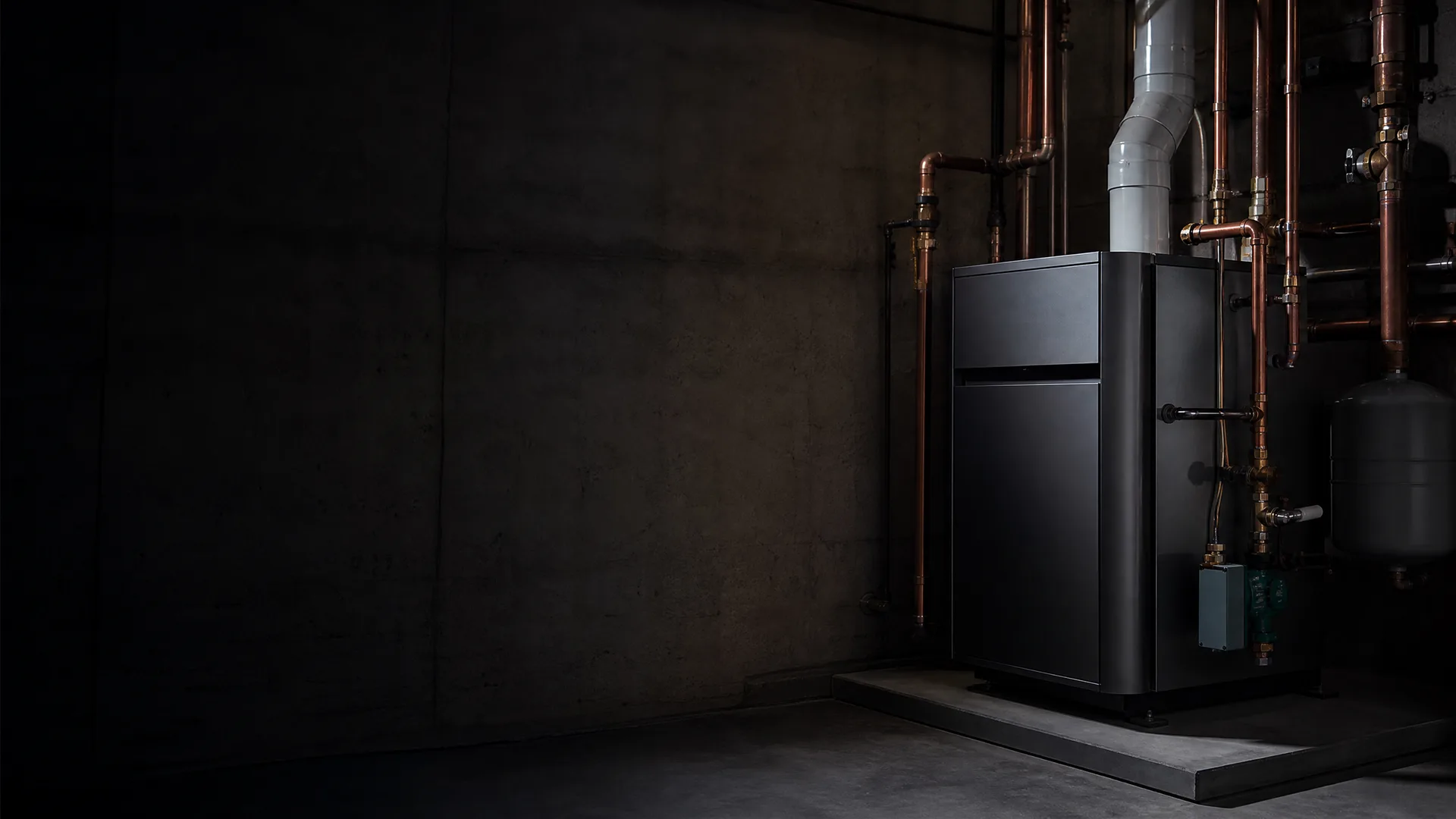
A black boiler unit on a concrete pad in a dim basement room, connected to copper pipes, a metal flue duct, and an expansion tank against a bare concrete wall.

Matched to your boiler job

Describe the project once instead of to every installer.

Step 1 of 3: Equipment