
Boiler pilot light keeps going out in Oklahoma
A pilot light that won't stay lit usually comes down to one of three things: a worn thermocouple that can't sense the flame anymore, a draft reaching the pilot assembly, or a buildup of dirt clogging the pilot orifice. The thermocouple is the most common culprit. It's a small sensor that tells the gas valve a flame is present, and once it wears out, the valve shuts the gas off as a safety measure within seconds of lighting. If your boiler sits in a garage or basement with a door or vent nearby, a draft can do the same thing by physically blowing the flame out. Either way, this isn't something to keep relighting on your own. A boiler running without a reliable pilot is a sign the safety system is doing its job, and a licensed technician needs to find out which part failed and replace it before you rely on that heat through an Oklahoma winter.
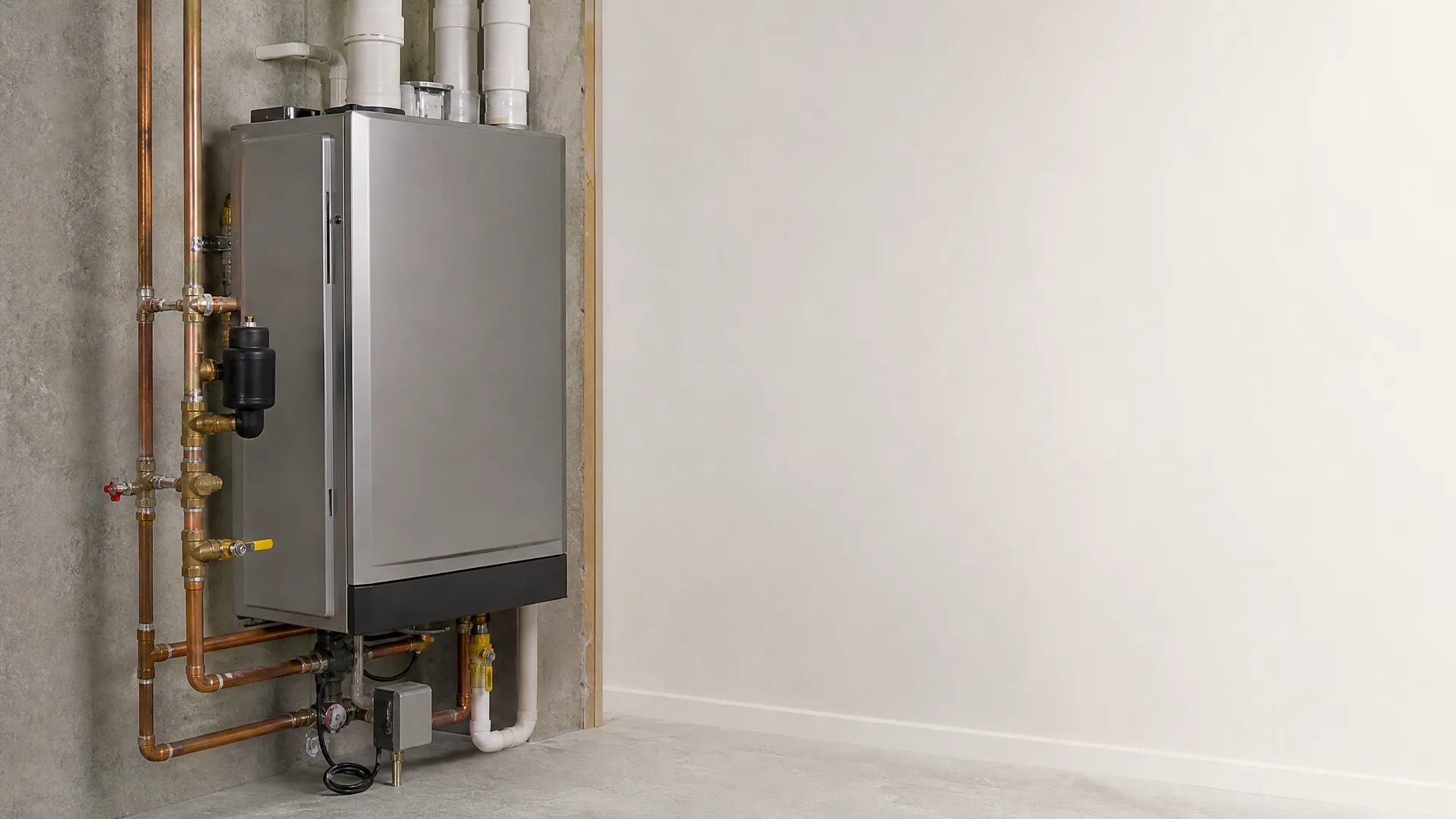
Why the thermocouple wears out
The thermocouple sits in the pilot flame and makes a small electric current that tells the gas valve to stay open. After years of that flame heating and cooling it, the metal weakens and the signal gets too weak to hold the valve open, even when the pilot is burning fine. It's a cheap part, but it has to be positioned exactly right in the flame or it fails again within days.
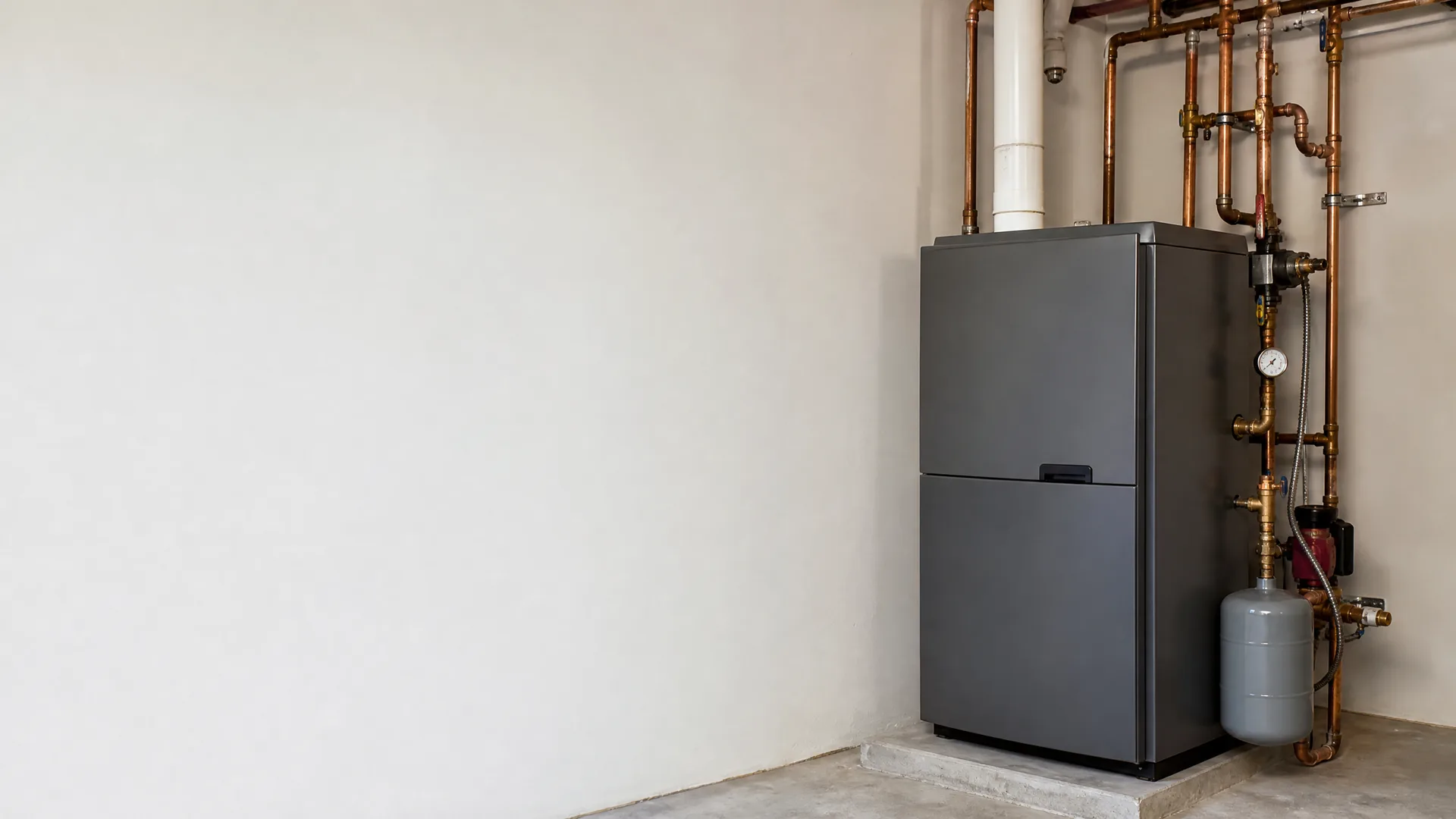
What a draft does to it
Boilers are often set in a basement or utility closet near a door, vent, or gap in the wall, and a draft from any of those can push the pilot flame sideways or snuff it out. Since Oklahoma winters bring cold air looking for any way in, a closet that was fine in October can start acting up once that air gets moving. Sealing the gap usually solves it faster than replacing parts.

If the pilot won't hold, the heat won't either
When the pilot goes out, the boiler shuts down and stays down until someone relights it. In an Oklahoma winter that means cold radiators or cold floors until you catch it, and if it happens overnight you'll feel it at breakfast. Relighting it yourself gets old fast if it keeps happening, and a pilot that won't hold usually keeps happening until the actual part gets replaced.
You could spend an evening calling around, telling each company the same thing about the pilot going out, asking if they work on boilers at all, then waiting on quotes to compare. Submit the details once here and a licensed Oklahoma contractor who works on boilers all winter gets them, the kind who's replaced this exact thermocouple more times than they can count. One call, not five, and no retelling the story from scratch each time.

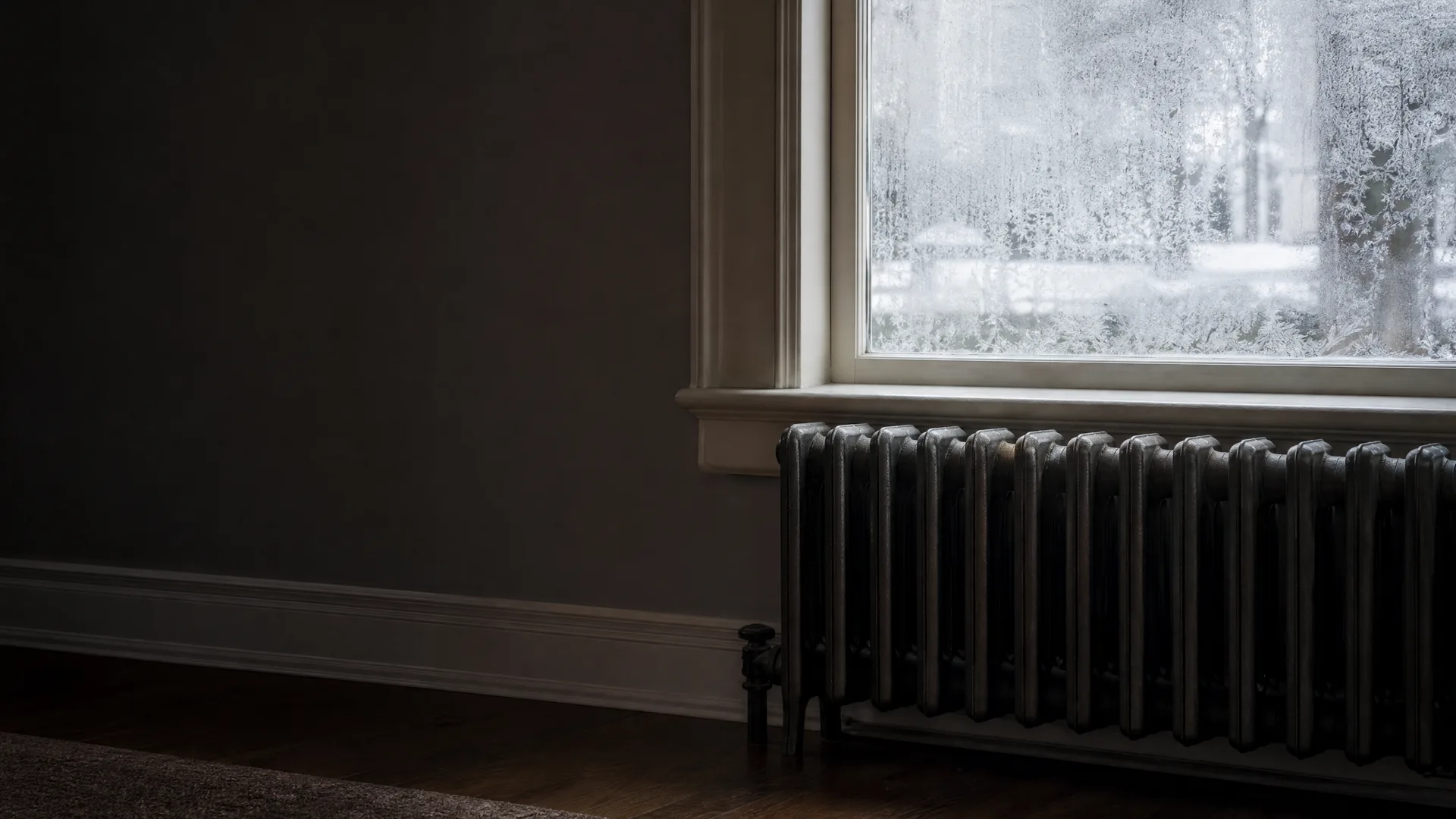
You come downstairs before the sun is up and the living room is cold in a way that tells you before you even check. The radiator under the window is silent, no tick of heat moving through it, and the glass has ice on the inside where your breath and the cold outside have met all night. You go to the boiler and the pilot is out again, same as before. It is January, and outside an Oklahoma morning that should stay rare is settling in. You crouch down to relight it, knowing already it probably won't hold past the afternoon, and you think about the last time you tried to find someone to look at it properly, the calls, the waiting, explaining the same thing twice.
One form, no calling around
A pilot that keeps going out is a relight job until someone finds out why, and that's not the kind of thing to diagnose over the phone with three different companies. A boiler tech who works on these all winter in Oklahoma has seen the worn thermocouple, the drafty closet, the clogged orifice, probably all three this week. Getting that in front of one licensed local contractor instead of chasing quotes means you skip the part where you explain the cold radiator and the pilot that won't catch to five different voices before anyone even looks at it. You've already got a cold house and a morning routine built around checking the pilot. The part that doesn't have to take any more of your time is finding someone who knows what's behind it.
You can relight the pilot yourself and it may hold for days before it fails again, so it is tempting to keep doing that through the winter instead of calling anyone.
Each time it goes out you lose heat until you catch it, and a thermocouple or draft problem does not fix itself. A boiler tech can find the actual cause in one visit.




Winter nights average 30°F statewide
Overnight lows in Oklahoma average 30°F through December, January and February. At that temperature your boiler is firing on and off most of the night to keep the house warm, so a pilot that won't hold means it's going cold at the hours you're least likely to notice.
NOAA nClimDiv 1991-2020 county normals weighted by homes
What a pilot that won't hold means for you
- A pilot that won't hold almost always traces back to a worn thermocouple, a draft at the pilot assembly, or a clogged orifice.
- Each relight buys you a few days at most if the real cause hasn't been found and fixed.
- A boiler tech who works these calls all winter in Oklahoma has already seen most versions of this problem.
- One licensed, local contractor takes the call, so you're not fielding three separate crews and three separate diagnoses.
- Overnight lows near 30°F mean a pilot failure overnight costs you heat at the hours you'd least want to lose it.
- Getting the actual cause fixed once ends the cycle of relighting it yourself through the rest of winter.
A pilot that keeps going out has a cause, and it's one of three things: the thermocouple, a draft, or a dirty orifice. Relighting it tells you nothing about which. It just buys you a few days before the house goes cold again, usually overnight when you're least likely to notice until the radiators are already silent.
Finding the actual cause means someone has to look at the pilot assembly, the thermocouple, and where the draft might be getting in, and know what they're looking at. That's not a phone diagnosis, and it's not something you want to sort out by calling around to three companies and explaining the same thing three times. A boiler tech who works these calls all winter in Oklahoma has already seen a hundred versions of this exact complaint. They know which of the three it usually is before they even open the panel, because they've been inside enough of these units to know what fails and when.
You get matched with one contractor, licensed and local, not a list of five numbers to sort through and compare. That contractor comes out, finds the actual cause, and fixes it, so you're done relighting the pilot every few days and guessing whether tonight's the night it holds. With overnight lows sitting near 30°F for three months straight, that's not a small thing to have settled.



Skip the search
Your request goes to one pro, not a list of companies.
Sending the form costs nothing.